Mandala Leaves Review for Craft Fairs
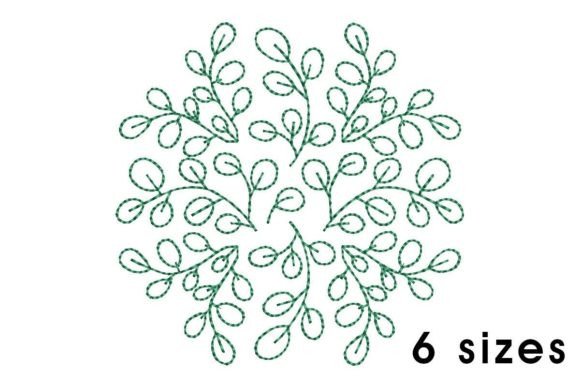
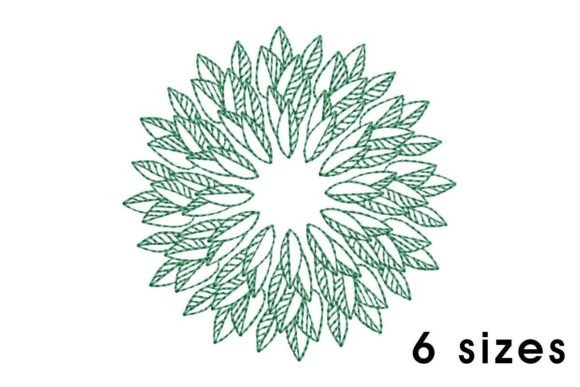
Mandala Leaves is a design that immediately catches the eye when you are standing behind a booth table, surrounded by dozens of other handmade goods. As an experienced embroidery designer who has spent years refining patterns for weekend markets and online boutiques, I recently put this specific file through its paces to see if it truly delivers on its promise. The title alone suggests a blend of organic nature and geometric precision, which is a winning combination in the current market for craft fair products. After running several test samples, I can confidently say that Mandala Leaves offers the kind of visual depth that stops a browser in their tracks.
First Impressions and Visual Appeal
When I first opened the embroidery file, the layout felt balanced and sophisticated. It does not scream for attention with loud colors but rather invites the viewer in with intricate detail. The style leans heavily towards elegant and modern rustic, making it perfect for customers who appreciate high-quality handmade products. Unlike some designs that feel flat or overly simple, Mandala Leaves possesses a premium quality that elevates the perceived value of any item it adorns. Whether placed on a canvas tote or a linen apron, the design feels intentional and polished. This is exactly the kind of aesthetic that drives impulse buys at local markets.
Performance Across Key Products
In my experience, the versatility of a design determines its success as a small shop product. I tested Mandala Leaves across a variety of items commonly sold at craft fairs, and the results were consistently strong. For tote bag design applications, the mandala pattern serves as a stunning focal point on the front panel, while smaller versions work beautifully as pocket accents. When applied to apron embroidery, the leaf motifs frame the chest area perfectly, adding a touch of farmhouse charm without overwhelming the wearer.
Kitchen enthusiasts will love seeing this on tea towel embroidery. The symmetry of the leaves complements the texture of waffle-weave towels exceptionally well. For those looking to create quick, low-cost inventory, converting this into an embroidered patch is a brilliant strategy. The dense stitching holds up well even when cut out, provided you use the correct stabilizer. Additionally, applying the design to fabric pouches or pillow covers creates giftable items that feel luxurious. A small pouch with Mandala Leaves embroidered on the flap makes for a charming accessory, while a larger pillow cover transforms the pattern into a statement piece for home decor.
Photography and Online Listings
For Etsy sellers and digital creators, the ability to photograph a product effectively is just as important as the stitching itself. Mandala Leaves photographs incredibly well because of its natural contrast and organic lines. In printable mockups, the design stands out clearly against various background textures. It works equally well as a digital embroidery file for creating listing images that showcase the stitch density. Customers scrolling through a feed will notice the fine details in the leaves, which signals craftsmanship. This visual clarity is crucial for converting browsers into buyers on platforms like Etsy or Shopify.
Production Practicality and Scalability
One of the biggest challenges for commercial embroidery businesses is batch production. Can you make fifty of these items in a day? With Mandala Leaves, the answer is yes, provided you have your workflow optimized. The design is repeatable, meaning you can set up a multi-hoop sequence to maximize efficiency. However, I must emphasize the importance of checking the stitch density before committing to large runs. While the files are tested prior to release, any alteration on the files may affect the output. If you decide to resize the design significantly, you risk losing the delicate details that make the leaves look so realistic.
The design functions well as both a small accent and a large focal piece. For market bags and caps, a scaled-down version allows for a subtle yet stylish look. Conversely, on a large pillow cover, the full mandala creates a dramatic effect. This flexibility allows you to target different price points within your store. You can sell small accessories like keychains or patches at a lower entry price, while offering larger home goods at a premium rate. This strategy helps build brand consistency across your entire collection of finished products.
Crucial Considerations for Success
Before you rush to print hundreds of items, there are practical factors to consider. Dense stitch areas require a sturdy base; using the right stabilizer is non-negotiable to prevent puckering. If you plan to embroider on textured towels or thick denim, ensure your machine has enough power to penetrate the fabric without skipping stitches. Curved surfaces, such as caps, present another challenge. The curvature can distort the mandala shape if the hoop placement is not precise. Always check the hoop size compatibility with your specific garment to ensure the design sits correctly.
Fabric color choice also plays a massive role in visual appeal. Dark fabrics can sometimes hide the finer details of the leaves, while light fabrics might make the thread colors appear washed out if the contrast isn't high enough. I recommend testing multiple thread colors to find the palette that best highlights the natural beauty of the design. Furthermore, tiny details in the center of the mandala may lose clarity if the design is reduced below a certain size. Keep the original dimensions in mind when planning your product line.
Final Designer Notes
As a professional, I cannot stress enough the need to test every design on scrap fabric before production. Create at least one real mockup to inspect the final result under natural lighting. Compare fabric colors side-by-side to ensure the design assets translate well to physical materials. Remember to confirm commercial licensing terms before selling finished products, as this protects your business and respects the creator's rights. By following these steps, you ensure that your handmade gift items maintain the highest standard of quality.
Mandala Leaves is more than just a pattern; it is a tool for building a successful brand. It resonates with customers who value artistry and durability. Whether you are a seasoned boutique maker or a creative entrepreneur starting your first booth, this design offers the reliability and aesthetic appeal needed to stand out. By paying attention to the technical details—from stabilizer selection to thread contrast—you can turn this digital file into a tangible success story. Let your creativity flow, trust the process, and watch your craft fair product sales grow with the timeless elegance of Mandala Leaves.