Anchor with Rudder Gold: A Designer’s Review for Craft Fair Success
As an embroidery designer who spends weekends hunched over my machine and Sundays setting up booths at local craft fairs, I have learned that not every digital file translates into a sellable physical product. The gap between a beautiful screen preview and a tangible item sitting on a velvet tablecloth is where many handmade businesses struggle. Today, I am reviewing the Anchor with Rudder Gold design to determine if it has the commercial viability and aesthetic appeal required to drive sales in a competitive market.
This review focuses on practical application. We are looking beyond the pixels to discuss stitch density, fabric compatibility, and visual impact. If you are an Etsy seller, a boutique maker, or a creative entrepreneur preparing for your next weekend event, this analysis will help you decide whether to add this machine embroidery design to your production queue.
First Impressions and Visual Appeal
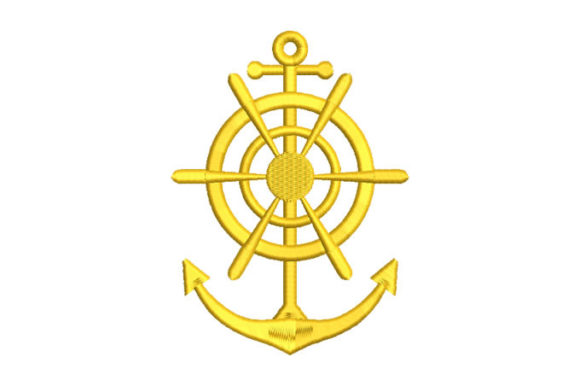
The title Anchor with Rudder Gold immediately suggests a specific mood: nautical, coastal, and premium. In the world of handmade goods, "Gold" often implies a metallic thread usage or a high-contrast accent color, which can significantly elevate the perceived value of a handmade product. From a design perspective, anchors are timeless, but the inclusion of a rudder adds a layer of technical detail that requires careful execution.
When I first loaded the file, my eye was drawn to the potential for a bold focal point. This is not a subtle, minimalist motif; it is decorative and strong. For a craft fair booth, you need designs that catch the eye from three feet away. An anchor with gold accents does exactly that. It feels rustic yet elegant, fitting perfectly into current trends that blend farmhouse charm with coastal living. However, the success of this look depends entirely on the quality of the digitization. If the gold elements are rendered as simple satin stitches without proper underlay, they may look flat. If they utilize a specialized metallic thread technique or a well-placed foil transfer, the design becomes a premium item worthy of a higher price point.
Product Applications and Market Fit
Not all embroidery files work equally well on every surface. To maximize your ROI, you must match the design scale and complexity to the correct substrate. Here is how Anchor with Rudder Gold performs across key categories:
- Tote Bags and Market Bags: This is arguably the strongest category for this design. Canvas tote bags provide a sturdy, flat surface that can handle the weight of the stitching. A centered chest placement or a large back print allows the anchor to breathe. Because tote bags are often used as promotional items or daily carryalls, a durable, classic design like this ensures longevity. It photographs exceptionally well for online listings, signaling durability and style.
- Apron Embroidery: Aprons are a staple at craft fairs, especially those targeting home cooks and gardeners. Placing the anchor near the pocket area creates a charming, functional accent. The contrast of the gold against white or navy denim pop visually. However, be mindful of the apron ties; ensure the hoop size allows for stable stitching without distorting the neck strap area.
- Tea Towel Embroidery: Kitchen textiles are impulse-buy friendly. The tea towel embroidery market loves coastal themes. This design works best when placed in the corner or centered on a folded stack. The texture of the cotton towel interacts nicely with the embroidery threads, adding depth. Just remember that tea towels wash frequently, so the design must be dense enough to withstand laundering without pilling.
- Embroidered Patch and Caps: Converting this design into a patch allows for versatility. You can sew the patch onto beanies, caps, or denim jackets. For cap surfaces, the curvature presents a challenge. The rudder details might get lost if the design is too small. Test the hoop size carefully to ensure the curved surface accommodates the full width of the anchor without distortion.
- Pillow Covers and Home Decor: For larger items like pillow covers, this design serves as a statement piece. It adds a touch of luxury to a living room or beach house decor. The visual weight of the gold element balances well against larger fabric areas, making it a sophisticated choice for higher-ticket items.
Production Practicality and Quality Control
From a production standpoint, efficiency is money. When evaluating Anchor with Rudder Gold, we must consider how easy it is to produce in batches. A good craft fair product should be reproducible with consistent results. The primary concern with any multi-color or metallic design is thread tension and breakage. Metallic threads, often used for "gold" effects, are notoriously finicky. They require a slower sewing speed and a higher quality needle to prevent shredding.
If the digitization uses standard polyester thread to simulate gold, the risk is lower, but the visual impact may be diminished compared to true metallics. As a designer, I advise creating at least one real mockup before committing to bulk production. Check the stitch density closely. If the anchor body is too sparse, the fabric may show through, ruining the clean look. If it is too dense, the fabric may pucker, especially on lightweight materials like thin cotton tees or delicate linens.
Photography is another critical factor. A printable mockup is useful for listing preparation, but nothing beats a photo of the actual finished product. The way light hits the gold elements can make or break the sale. Ensure your lighting setup captures the sheen of the thread. Customers cannot touch the product online, so the image must convey the tactile quality of the embroidery.
Technical Considerations and Careful Use Notes
Before you start producing, there are several technical pitfalls to avoid. First, inspect the tiny details of the rudder. In smaller sizes, these fine lines may merge together, resulting in a muddy blob rather than a distinct mechanical part. If you plan to offer multiple sizes, test the smallest version rigorously. Small lettering or intricate lines often lose clarity when scaled down.
Fabric selection is paramount. Avoid highly textured fabrics like heavy bouclé or loose-weave burlap unless you are using a stabilizer specifically designed for such materials. The fabric texture can interfere with the needle penetration, leading to skipped stitches. For the best results, use smooth, tightly woven cottons or blends. Dark fabrics require a solid underlay to prevent the base fabric color from showing through the lighter gold threads, which can make the design look dirty or dull.
Always check the commercial licensing terms associated with the digital embroidery file. Some designers restrict the number of units you can sell, while others allow unlimited commercial use. Understanding these terms protects your business from legal issues. Additionally, confirm the recommended stabilizer type. Cut-away stabilizers are generally preferred for garments and bags that will be washed repeatedly, as they provide long-term support. Tear-away stabilizers are suitable for temporary items like gift tags or low-wash kitchen towels.
Strategic Value for Your Brand
Incorporating Anchor with Rudder Gold into your inventory offers more than just a new item to sell; it strengthens your brand identity. Nautical themes evoke feelings of relaxation, adventure, and reliability. By offering high-quality embroidered goods featuring this design, you position your shop as a purveyor of durable, aesthetically pleasing merchandise. This aligns well with the values of modern consumers who prefer handmade, long-lasting items over fast fashion.
For Etsy sellers and small shop products, differentiation is key. While many shops offer basic anchor designs, the addition of gold detailing sets your work apart. It suggests attention to detail and a willingness to invest in higher-quality materials. This perception allows you to command a premium price, improving your profit margins. Furthermore, the versatility of the design means you can cross-sell. A customer buying an apron might also be interested in a matching tea towel or a tote bag, increasing your average order value.
Final Recommendations for Creators
To ensure success with Anchor with Rudder Gold, follow these actionable steps:
- Test on Scrap Fabric: Never skip this step. Use the exact fabric you intend to sell. Check for puckering, thread breaks, and color accuracy.
- Review Thread Contrast: Ensure the gold thread stands out against your chosen fabric. On beige or tan fabrics, gold may lack contrast. Opt for navy, white, or black backgrounds for maximum visibility.
- Confirm Hoop Size: Verify that the design fits comfortably within your machine’s hooping capabilities, allowing for adequate margin around the edges.
- Create Real Mockups: Produce a few samples and photograph them in natural light. Use these images for your design assets and marketing materials.
- Check Licensing: Read the fine print. Ensure you have the right to sell finished products made with this embroidery design.
By treating Anchor with Rudder Gold with the same scrutiny you would apply to any professional commission, you can turn a simple digital file into a standout finished product that drives sales and builds customer loyalty at your next craft fair or online store launch.