Assistant Embroidery Design Review for Craft Fairs
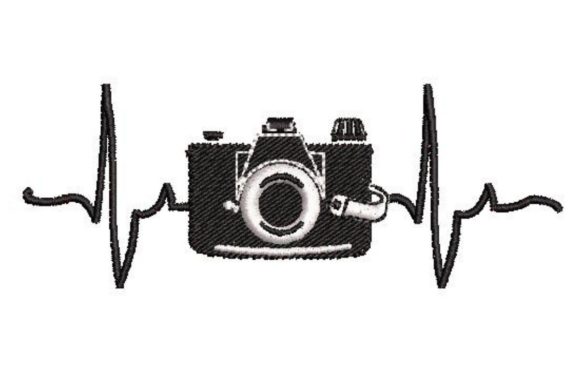
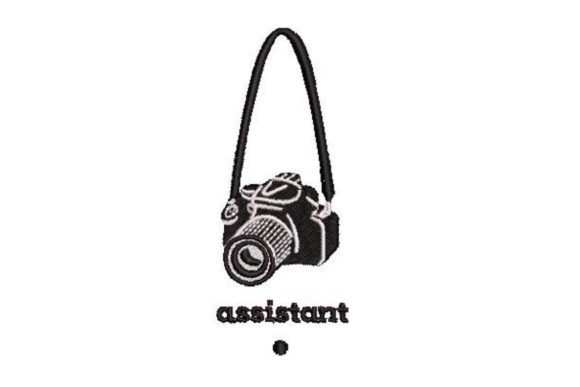
As an embroidery designer who spends weekends setting up booths at local craft fairs and managing an online handmade shop, I know that the difference between a design that sits on the shelf and one that sells out by noon often comes down to relatability. Today, I am reviewing the Assistant machine embroidery design. Based on its description as a gift for photographers or journalists’ assistants, this piece targets a specific, passionate niche. It is not just a generic pattern; it is a statement piece designed to resonate with professionals who appreciate the behind-the-scenes work of their industry.
First Impressions and Visual Appeal
When you first load the Assistant embroidery file into your hoop, the immediate question is: does it read clearly? In the fast-paced environment of a craft fair, customers give products about three seconds of attention before moving on. This design needs to be bold enough to catch the eye from across the table but detailed enough to invite closer inspection. Given its target audience—photographers and media assistants—the aesthetic likely leans toward modern, professional, or perhaps slightly witty depending on the typography used.
If the design features clean lines and legible text, it will perform exceptionally well as a focal point. For a photographer, being called an "assistant" might sound like a stepping stone, but in the creative world, it is a badge of honor. The design captures that spirit. Visually, it feels premium and intentional. It avoids the cluttered look of overly decorative farmhouse styles, opting instead for a clarity that suggests quality. This makes it versatile for various craft fair product categories, from casual wear to professional accessories.
Product Applications and Market Fit
So, where does Assistant shine brightest on the display table? Let’s break down the best applications for this embroidery design.
- Tote Bags: This is arguably the strongest candidate. Photographers and journalists are constantly on the move, carrying gear, notebooks, or camera bodies. A sturdy canvas tote embroidered with Assistant serves both as a functional tool and a conversation starter. The large surface area allows the design to breathe, ensuring that even intricate details remain visible.
- Aprons: For those who double as creative directors or handle their own lighting setups, a high-quality apron is essential. Placing the design on the chest pocket or center bib creates a professional yet personal touch. It transforms a utilitarian item into a piece of branded merchandise.
- Tea Towels: Kitchen breaks are common during long shoots. A tea towel with this machine embroidery design adds a touch of humor and pride to the break room. It is a low-cost impulse buy that complements higher-ticket items like bags.
- Embroidered Patches: If you sell patches, this design works well on denim jackets or backpacks. However, ensure the border is strong enough to withstand daily wear and tear.
- Caps and Beanies: For a more subtle approach, a small left-chest placement on a cap can signal membership in the crew. Just be mindful of the curvature when digitizing or stitching.
Production Practicality and Batch Efficiency
For any Etsy seller or boutique maker, production speed is money. One of the biggest advantages of the Assistant design is its potential for batch production. If the stitch count is moderate and the color changes are minimal, you can run multiple units efficiently. Customers love consistency, so having a stack of identical, perfectly stitched handmade products looks far more professional than a single, rushed piece.
Furthermore, this design photographs beautifully for online listings. The contrast between the thread and the fabric is crucial here. When creating printable mockups for your digital marketing, ensure the lighting highlights the texture of the stitches. A close-up shot showing the precision of the lettering or graphic elements builds trust in your craftsmanship. Buyers want to see that the stitch density is appropriate—not too sparse, which looks cheap, and not too dense, which can pucker the fabric.
Careful-Use Notes and Technical Considerations
Before you commit to producing inventory, there are technical aspects you must evaluate. Not all fabrics behave the same way, and not all designs translate equally well to every surface.
- Fabric Texture: Avoid highly textured fabrics like heavy waffle-knit towels or loose-weave burlap unless you have stabilized them heavily. The needle penetration needs a consistent surface to maintain the integrity of the embroidery file. Cotton duck canvas or smooth twill are safer bets for crisp results.
- Thread Contrast: Check your thread colors against your base fabric. Light threads on dark fabric require a higher stitch density to prevent show-through. Conversely, dark threads on light fabric should be tested for haloing. Proper contrast ensures the design remains legible from a distance.
- Hoop Size and Stability: Confirm the recommended hoop size for this design. If it requires a large hoop, ensure your machine can handle it without distortion. Always use the right stabilizer—cut-away for stretchy knits or heavy garments, and tear-away for stable woven fabrics like tote bag canvas.
- Small Details: Inspect the design for tiny letters or fine lines. At smaller sizes, these details may merge together, losing clarity. If you plan to offer mini versions, test them thoroughly. Sometimes, simplifying the design for smaller applications yields a better final product.
Brand Consistency and Customer Engagement
Selling commercial embroidery products is not just about the item; it is about the story. The Assistant design tells a story of support, creativity, and professionalism. When customers see this on a booth, they immediately identify with the wearer. It sparks conversations. "Oh, you're a photographer's assistant?" becomes the opening line for a sale. This emotional connection increases the perceived value of the finished product.
For small shop product owners, maintaining brand consistency is key. If your shop specializes in gifts for creatives, this design fits seamlessly into your collection. It elevates your brand image by offering something specific rather than generic. It shows you understand your niche.
Designer’s Final Checklist
Before listing this as a digital embroidery file or selling physical goods, follow these steps:
- Test on Scrap Fabric: Never assume. Stitch it out on the actual fabric you intend to sell.
- Review Spacing: Ensure the design fits comfortably within your chosen garment or accessory dimensions.
- Confirm Licensing: Verify commercial licensing terms before mass-producing. You need permission to sell the finished goods.
- Create Mockups: Use the design assets to create realistic previews for your website.
In conclusion, the Assistant design is a strategic addition to any crafter’s repertoire. It targets a dedicated community, offers versatility across multiple embroidery categories, and provides a strong visual hook for buyers. By paying attention to production details and showcasing the quality of your work, you can turn this simple concept into a standout craft fair product that resonates with photographers, journalists, and creative enthusiasts alike.