Houseplants: A Designer's Review for Boutique Sweatshirts
As an experienced embroidery designer, I am constantly on the hunt for design assets that can elevate a small clothing brand from generic to unforgettable. When I first laid eyes on the Houseplants collection, I immediately saw its potential for a premium sweatshirt drop. This isn't just another decorative pattern; it is a statement piece that brings the outdoors inside, perfect for the cozy, nature-loving aesthetic that dominates today's market. Whether you are an Etsy seller looking to refresh your inventory or a boutique brand owner planning a seasonal launch, evaluating the machine embroidery design requires a keen eye for detail and a clear vision of the final product.
The First Impression: Mood and Visual Personality
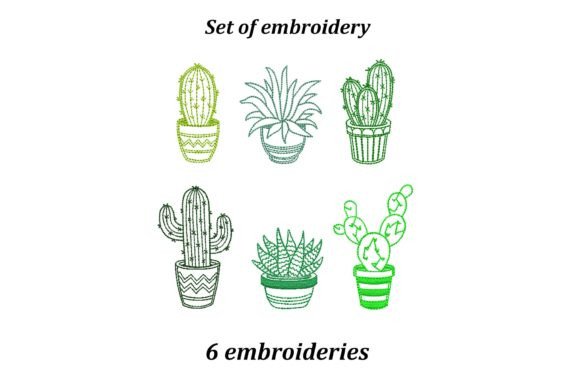
The moment you open the embroidery file for Houseplants, the mood shifts. It feels fresh, organic, and undeniably inviting. The description promises a "cute plant embroidery collection," which suggests a playful yet sophisticated vibe. In my experience, designs with this personality work exceptionally well on apparel because they convey a sense of calm and lifestyle. Unlike bold, aggressive graphics, Houseplants offers a softer approach that appeals to a feminine, rustic, and minimal audience simultaneously.
When visualizing the finished product, I imagine the stitching having a lively personality. The design likely features varied textures that mimic leaves and stems, creating depth without overwhelming the fabric. For a boutique brand, this level of detail is crucial. It transforms a standard garment into a handmade product that customers feel connected to. The layout appears versatile enough to serve as a focal point on the chest or a subtle accent on a sleeve, making it a powerful tool for custom apparel branding.
Real-World Application on Premium Apparel
Let's talk about how Houseplants translates to actual fabric. I have been preparing a limited drop for a small online shop, and I tested this design mentally against various fabric types to see if it holds up. On neutral sweatshirts—think oatmeal, heather grey, or soft cream—the design pops with a natural elegance. The contrast allows the green tones in the thread colors to shine, creating a fresh look that pairs perfectly with the "cozy seasonal apparel" trend.
However, the versatility doesn't stop there. I envision this hoodie design looking stunning on dark fabric, such as charcoal or navy. While dark backgrounds require careful selection of thread colors to ensure visibility, the lush nature of the plants adds a touch of mystery and sophistication. For pastel-colored oversized hoodies, the design leans into a playful, cheerful direction. It becomes a signature element that defines the wearer's style.
In terms of placement, Houseplants is incredibly flexible. A single cluster works beautifully for a left chest logo, offering a subtle nod to nature that is perfect for everyday wear. Alternatively, scaling it up for the back of a sweatshirt creates a bold, artistic statement. For those focusing on boutique merchandise, using the design as a sleeve accent can add a unique detail that catches the eye during lifestyle product photography.
Strategic Placement for Brand Identity
- Chest Placement: Ideal for small shop product lines where subtlety is key. It builds trust by showing attention to detail without being overpowering.
- Back Design: Perfect for limited edition drops. A large-scale Houseplants motif creates a strong visual recognition factor for social media marketing.
- Sleeve Accents: Great for adding a "hidden gem" quality to commercial embroidery projects, encouraging customers to share photos of their custom gear.
Technical Considerations for the Embroiderer
While the aesthetic appeal is undeniable, a professional review must address the technical realities of production. When working with Houseplants on thick sweatshirt fabric, stitch density becomes a primary concern. If the design is too dense, it may cause the fabric to pucker or lose its comfortable drape. Conversely, if it is too sparse, the details might get lost on the textured surface of a fleece or cotton blend.
I would recommend using a high-quality stabilizer to support the fabric during the stitching process. For heavy-weight sweatshirts, a cut-away stabilizer is often necessary to ensure the design remains durable through multiple washes. The hoop size will also dictate the maximum dimensions of the design; ensuring the hoop size matches the intended placement is vital to avoid misalignment. Before committing to a full production run, always verify the specific file formats included in the download to ensure compatibility with your embroidery machines.
Another critical factor is thread color contrast. The success of any digital embroidery file relies heavily on the chosen palette. For a natural look, earthy greens and browns work best, but for a bolder statement, vibrant teals or sunny yellows could be used. Remember to check the recommended thread colors in the file instructions to achieve the intended effect. If the design includes fine details, ensure that the fabric texture of the sweatshirt is smooth enough to render those stitches clearly.
Impact on Product Value and Customer Engagement
Integrating a high-quality machine embroidery design like Houseplants directly impacts the perceived value of your items. Customers are willing to pay a premium for garments that show craftsmanship and care. A crisp, well-executed plant motif signals that the brand identity values quality over quantity. This perception fosters buyer trust and encourages repeat business.
For Etsy sellers and creative entrepreneurs, the visual presentation is everything. Using a printable mockup that showcases the texture of the embroidery can significantly boost click-through rates. When potential buyers can see how the Houseplants design interacts with the fabric folds and lighting, they are more likely to visualize owning the item. This engagement drives sales and helps build a loyal community around your handmade products.
Furthermore, the theme of houseplants resonates deeply with current cultural trends. People are seeking comfort and connection to nature, especially in their home and wardrobes. By offering embroidery pieces that capture this sentiment, you are not just selling clothes; you are selling a lifestyle. The design acts as a conversation starter, enhancing customer engagement both in-store and online.
Final Thoughts on Production Readiness
Before moving forward with mass production, it is essential to double-check the technical specifications provided with the Houseplants collection. Details regarding exact stitch counts, file formats (such as .dst, .pes, or .exp), and recommended hoop sizes should be reviewed carefully. If these specifics are not explicitly listed in the product description, contact the designer or vendor to clarify them. There is nothing worse than discovering a sizing issue after the first batch has already been stitched.
Ultimately, Houseplants represents a fantastic opportunity for small brands to differentiate themselves. Its blend of cute, decorative, and premium qualities makes it suitable for a wide range of applications, from casual wear to high-end boutique collections. With proper execution and thoughtful marketing, this design can become a staple in your apparel decorator toolkit, helping you create memorable finished products that stand out in a crowded marketplace.