Honeycomb Embroidery Design Review for Real Projects
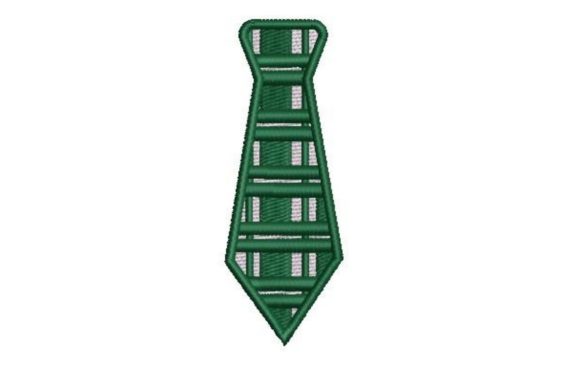
As an experienced embroidery designer who spends countless hours testing new files before adding them to my commercial collection, I recently came across the Honeycomb design on Creative Fabrica. The product description immediately caught my eye with its message about supporting bee populations and suggesting it as a perfect addition to a classy suit. This isn't just another generic floral pattern; it carries a specific narrative that resonates deeply with current trends in eco-friendly fashion and handmade gifts. In this review, I will walk you through how this embroidery file performs when moved from the screen to the hoop, specifically for real-world projects like tote bags, aprons, and boutique merchandise.
First Impressions: Visual Mood and Stitch Personality
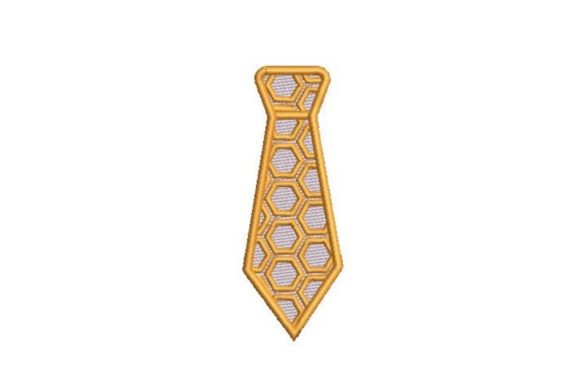
When I first opened the Honeycomb design, the visual mood was exactly what I hoped for: cheerful yet sophisticated. The concept of wearing support for bees on a "classy suit" suggests a design that balances detail with elegance. For a digital product seller or an Etsy shop owner, this balance is crucial because it allows the item to transition easily from casual wear to professional attire. The design feels natural for accessories and embroidery projects where the motif needs to stand out without overwhelming the garment.
The stitch personality appears to be a mix of geometric precision and organic flow. While the description mentions adding a "cheerful" touch, the structure implies a high level of detail that could translate beautifully into satin stitches for the honeycomb cells or fill stitches for the background. If you are planning to create custom apparel, this design offers a unique selling point that goes beyond simple decoration; it tells a story of environmental stewardship. However, before committing to a bulk order, it is vital to inspect the stitch density closely to ensure it won't cause puckering on delicate fabrics.
Real-World Application: From Tote Bags to Boutique Merchandise
I have been considering using Honeycomb for several upcoming customer orders, ranging from baby blankets to kitchen towels. The versatility of this machine embroidery design makes it suitable for a wide array of products. Imagine a soft baby blanket featuring a subtle honeycomb pattern with a single bee accent; it would make a stunning personalized gift for a nursery. Similarly, placing this design on a canvas tote bag or a heavy-duty apron could elevate a standard craft fair product into a premium boutique item.
For those looking to sell commercial embroidery items, the potential here is significant. A well-executed Honeycomb design on a sweatshirt can become a standout piece for a seasonal collection. The cheerful nature of the theme fits perfectly with spring and summer collections, making it ideal for handmade product launches. Furthermore, if you are creating printable mockups for your online store, this design provides excellent visual appeal that can drive customer engagement. It allows buyers to visualize a finished product that feels both meaningful and stylish.
Technical Considerations for Different Fabrics and Surfaces
While the concept is strong, the execution depends heavily on the materials used. When working with stretchy fabric like jersey for t-shirts or caps, one must be cautious with the stitch density. If the design contains too many fill stitches in a small area, it may distort the fabric, ruining the "classy suit" aesthetic mentioned in the product details. I recommend testing the design on scrap fabric first to gauge how the threads interact with the weave.
For curved surfaces like caps, the placement of the honeycomb pattern is critical. A large, dense design might not lay flat on the front panel of a cap, leading to uneven stitching. In such cases, a smaller version or a simplified layout might be necessary. Additionally, when working with dark fabrics, thread color contrast becomes a major factor. You will need to select light-colored threads to ensure the details of the honeycomb structure are visible, which might require a different stabilizer choice than usual to prevent the fabric from pulling.
Navigating Small Details and Dense Areas
If the Honeycomb file includes tiny lettering or intricate small details, these areas can be challenging on certain machines. Tiny running stitches or fine satin lines can sometimes break or look muddy if the hoop size is too small or the tension is off. It is essential to confirm the hoop size requirements listed on the Creative Fabrica product page before starting. If the design is intended for a 4x4 inch hoop but you are using a larger frame, you may need to split the design, which can affect the final look.
Textured fabrics, such as linen or thick cotton blends, also present a challenge. The needle may struggle to penetrate dense layers, causing skipped stitches. Using a proper stabilizer, such as cut-away for stability on woven items or tear-away for lighter projects, is non-negotiable for a professional finish. Always inspect the small details after stitching to ensure they are crisp and clear.
Impact on Product Value and Brand Consistency
Using a high-quality digital embroidery file like Honeycomb directly impacts the perceived value of your finished product. Customers buying personalized gifts or custom apparel expect a level of craftsmanship that reflects care and attention to detail. A clean, well-stitched honeycomb pattern conveys professionalism and builds buyer trust. Conversely, a poorly executed design with loose threads or puckered fabric can damage your brand reputation.
This design also supports brand consistency. By incorporating themes of nature and support for bees, you align your shop with values that resonate with modern consumers. Whether you are selling on Etsy, at a craft fair, or through a boutique, the Honeycomb motif helps create a cohesive visual identity. It transforms a simple tote bag design or sweatshirt embroidery project into a statement piece that customers are proud to wear or display.
Practical Steps Before You Start Sewing
Before you rush to produce your next batch of items, there are several practical steps to ensure success. First, always test on scrap fabric to check thread color contrast and stitch density. Review the file details carefully on the Creative Fabrica product page to confirm licensing terms, especially if you plan to sell the finished items commercially. Ensure you understand whether the license allows for unlimited sales or if there are restrictions on the number of units.
Compare light and dark fabric mockups to see how the design adapts to different colorways. If the design includes applique elements, verify the cutting dimensions and the type of backing material required. Finally, double-check the machine compatibility and file formats to avoid any technical glitches during production. By taking these precautions, you ensure that your finished product meets the highest standards of quality.
In conclusion, Honeycomb offers a promising opportunity for embroidery designers and small business owners looking to expand their offerings. Its cheerful message and elegant aesthetic make it a versatile choice for everything from baby items to adult accessories. With careful planning regarding fabric selection, stabilizers, and machine settings, this design can become a staple in your repertoire of design assets. Just remember to do your due diligence by checking the specific product details and testing thoroughly before launching into full production.