FSL Viking Jewelry Design Review
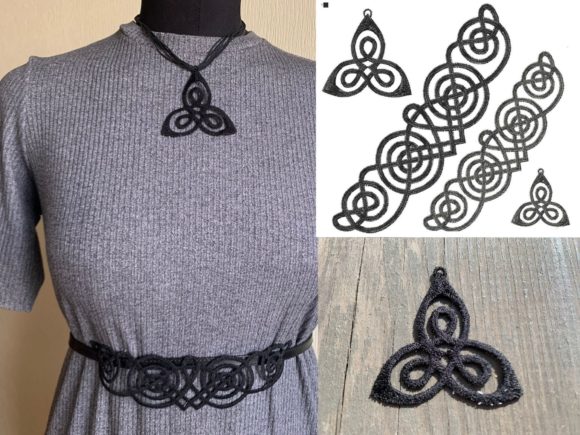
As an embroidery designer who has spent years turning digital files into tangible brand assets, I approach every new design with a critical eye. We aren't just looking for pretty pictures; we are looking for viability. Will this hold up on a cap? Will it look premium on a tote bag? Does it communicate the right message to the customer? Today, I am reviewing the FSL Viking Jewelry machine embroidery designs. This collection features intricate lace-style patterns representing earrings, a pendant, a necklace, and the front part of a belt. While the description hints at cosplay and Halloween use, my focus is on how these embroidery files perform in the context of small business merch, branded patches, and professional apparel decoration.
First Impressions: Bold Heritage Meets Delicate Craft
The first thing that strikes you about the FSL Viking Jewelry set is the juxtaposition of themes. "Viking" suggests strength, history, and boldness, while "Jewelry" implies delicacy, elegance, and detail. When executed as a free-standing lace (FSL) design, this combination creates a visual personality that is both rustic and refined. It feels handmade yet precise, which is exactly what modern consumers crave in handmade products.
For a small business owner, this aesthetic is powerful. It moves away from generic clip-art vibes and offers something that feels curated. The intricate outlines of the jewelry pieces—whether it’s the loop of an earring or the chain of a necklace—suggest a high level of craftsmanship. This translates well to brands that want to emphasize quality, heritage, or artisanal value. Whether you run a boutique leather shop, a historical reenactment gear store, or a modern streetwear label with a nod to classic motifs, this design asset carries weight. It doesn’t just decorate; it tells a story of durability mixed with beauty.
Real-World Business Applications
So, where does FSL Viking Jewelry fit in your product line? Let’s move beyond the hypothetical and look at practical applications for embroidered patches, uniforms, and merchandise.
- Branded Patches: Because FSL designs do not require a backing fabric, they can be cut out cleanly. This makes them ideal for iron-on or sew-on patches. Imagine a small business selling rugged outdoor gear attaching a miniature version of the Viking pendant patch to a canvas backpack. It serves as a subtle but distinct brand identity marker without overwhelming the garment.
- Cap Embroidery: The compact nature of individual jewelry elements, like a single earring or a small segment of a belt buckle, works beautifully on the front panel of a trucker hat or a structured baseball cap. For a craft business selling accessories, a custom cap featuring one of these delicate lace forms adds a touch of unexpected sophistication.
- Tote Bag Design: Canvas totes are a staple for Etsy sellers and market vendors. Placing a larger element, such as the full necklace design, centered on a heavy-duty cotton tote creates a striking focal point. The open lace structure allows the fabric color to show through, reducing thread usage while maintaining visual impact. This is a cost-effective way to produce small business merch that looks expensive.
- Apron Embroidery: For bakeries, florists, or café owners, branding on staff uniforms is crucial. A subtle Viking jewelry motif placed near the pocket or hem of a denim apron can add character. It signals that the business cares about details, which builds customer trust and recognition.
- Product Packaging Accents: Don’t overlook packaging. Sewing a tiny embroidered tag featuring the earring design onto gift boxes or shipping envelopes elevates the unboxing experience. In the world of handmade goods, presentation is half the sale. This digital embroidery file allows you to create consistent, professional-looking tags that reinforce your brand identity before the customer even opens the box.
Strategic Considerations for Production
While the aesthetic appeal is high, an experienced designer knows that not every design works in every context. Here is where you need to exercise caution when integrating FSL Viking Jewelry into your commercial projects.
Size Limitations: Free-standing lace relies on tension and stitch integrity. If you attempt to scale these designs down too small, particularly for items like custom apparel buttons or tiny logo placements, the delicate lace threads may become fragile or merge together, losing their definition. Always test the smallest intended size before committing to bulk production.
Fabric Texture and Stability: These designs demand a stable base during stitching. If you are embroidering directly onto a soft, stretchy knit t-shirt without proper support, the result will likely pucker or distort. You must use the correct stabilizer for the fabric type. Conversely, if you are using these as patches on rigid materials like leather or thick denim, ensure the hoop size accommodates the item without crushing the texture.
Thread Color Contrast: The "lace" effect depends heavily on light and shadow. On dark uniforms or dark fabrics, white or light-colored threads will pop, creating a crisp, clean look. However, on black or very dark backgrounds, fine details might get lost unless you use a high-quality metallic or reflective thread. Always review thread colors against your actual material swatch.
Durability and Washing: If these designs are intended for frequently washed items, such as work shirts or kitchen aprons, consider the longevity of the loose lace ends. They may snag over time. For high-wear items, reinforcing the edges or applying a clear stabilizer coating after stitching can extend the life of the finished product.
Designer Notes for Commercial Success
To ensure your use of FSL Viking Jewelry results in professional outcomes, follow these practical steps:
- Test in Black and White: Before investing in multiple colored threads, digitize and stitch the design in black thread on white fabric. This helps you evaluate the spacing, density, and overall composition without the distraction of color.
- Check Hoop Size Constraints: Verify the maximum dimensions of the design. Ensure it fits within the standard hoops available in your shop. If the design is large, you may need a multi-needle machine or a specialized large-hoop setup.
- Create a Printable Mockup: Use the printable mockup feature in your digitizing software to visualize how the design looks on your specific product. This saves time and prevents costly errors when presenting options to clients or planning inventory.
- Inspect Stitch Density: High stitch density can make a piece stiff and uncomfortable. Inspect the design file to ensure the density is appropriate for the final application. For wearable items, a slightly lower density often yields a softer, more comfortable feel.
- Confirm Commercial Licensing: Most importantly, check the license terms provided with the embroidery file. Ensure you have the right to sell physical goods made with this design. Unauthorized commercial use can lead to legal issues and damage your reputation.
Final Verdict
The FSL Viking Jewelry collection is a versatile and visually striking addition to any embroidery library. Its blend of historical inspiration and delicate artistry makes it suitable for a wide range of industries, from fashion and accessories to food and beverage branding. By understanding its strengths and limitations, you can leverage these design assets to create unique, high-value merchandise that stands out in a crowded market. Whether you are adding a final touch to a tote bag design or creating a signature emblem for your craft business, this design offers the potential for significant brand elevation. Just remember: always test, always plan, and always prioritize quality in your commercial embroidery projects.