Plaid: A Designer's Review for Real-World Embroidery
When I first opened the file labeled Plaid, I wasn't just looking at a pattern; I was visualizing it on fabric. As someone who has spent years reviewing embroidery designs for client work and my own craft business, I know that a design's true value isn't in its digital preview, but in how it behaves under the needle. This machine embroidery design promises to add a delicate, fresh look to creations, specifically noting its potential as a decoration for working suits. But does it hold up when we move from the screen to the hoop? After putting this embroidery file through a mental stress test of various real-life scenarios, here is my honest assessment.
The First Impression: Mood and Visual Personality
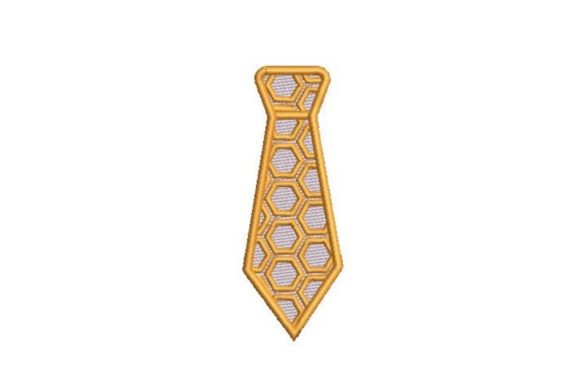
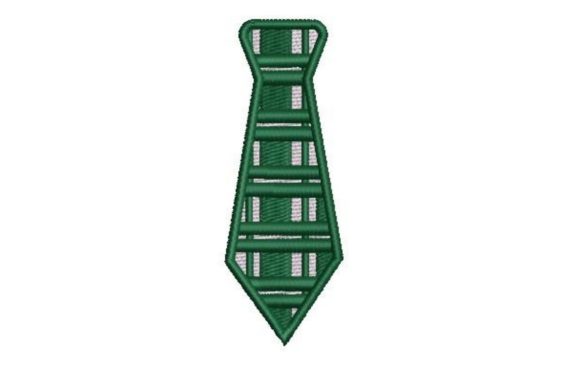
The name Plaid immediately sets a specific tone. It suggests structure, heritage, and a touch of rustic charm, yet the description hints at delicacy. In my experience, plaid patterns can easily become heavy or bulky if the stitch density is too high, often making a garment look stiff. However, the promise of a "fresh look" suggests that the designer has managed to balance the fill stitches with enough negative space or fine running stitches to keep the texture light. For an accessories category item, this balance is crucial. We don't want a design that weighs down a tote bag or makes a baby onesie feel like armor. The layout appears to have a visual personality that is both classic and modern, making it versatile enough to bridge the gap between traditional crafting and contemporary boutique branding.
Real-Life Scenario: From Digital File to Finished Product
To truly understand the utility of Plaid, let's imagine a practical workflow. Suppose you are an Etsy seller preparing a batch of custom embroidered aprons for a holiday gift collection. You need something that feels handmade but professional. You pull up the embroidery file and place it on a mockup of a canvas apron. The plaid motif sits perfectly in the chest pocket area or centered on the bib. Unlike a large, dense logo that might overwhelm a smaller surface, this design offers a decorative accent that elevates the product without dominating it.
Now, consider a different angle: a small shop owner creating personalized gifts for a corporate team. The product description mentions suitability for "working suits." Imagine stitching this onto the breast pocket of a chef's jacket or a service uniform. The delicate nature of the design ensures it doesn't interfere with the wearer's movement or comfort, while still providing a polished, branded look. If you were to use this for a tote bag design for a local craft fair, the pattern would likely catch the eye of passersby, offering a textural interest that flat prints simply cannot achieve. The transition from a digital asset to a tangible handmade product feels seamless, provided the execution matches the intent.
Performance Across Different Materials and Garments
The versatility of Plaid extends beyond just the aesthetic. When evaluating a design for commercial use, we must consider where it fits best. For sweatshirt embroidery, the design should perform well on medium-weight cotton blends, provided the stabilizer is chosen correctly to prevent puckering. On lighter fabrics, such as those used for baby embroidery or delicate tea towels, the "delicate" aspect of the design becomes a major selling point. It adds character without adding excessive weight.
However, not every surface is created equal. While this digital embroidery file shines on stable fabrics, there are areas where caution is required. If you plan to use this on a cap or any curved surface, the geometry of the plaid lines must be considered. Curved surfaces can distort straight lines, potentially ruining the geometric integrity of the pattern. Similarly, on stretchy knits, the stability of the design depends entirely on your hooping technique and stabilizer choice. Without proper support, even a simple pattern can warp, leading to a finished product that looks unprofessional rather than artisanal.
Where to Use Plaid Carefully
There are specific constraints you must keep in mind before hitting the start button on your machine:
- Small Hoop Sizes: If you are working on tiny items like patches or hair bows, check the dimensions of Plaid. Dense patterns can get lost or merge together in very small spaces, losing their definition.
- Textured Fabrics: On boucle or heavily textured materials, the detail of the design might get swallowed by the fabric weave. Test on scrap first.
- Dense Stitch Areas: If the design includes significant fill stitches, ensure your thread tension is perfect. Too much density on thin fabric can cause the material to pucker, ruining the "fresh" look described in the product details.
- Dark Fabrics: Contrast is key. Ensure the thread colors you select provide enough visibility against dark backgrounds, or the delicate nature of the design may disappear into the fabric.
Impact on Brand Value and Customer Trust
In the world of craft business and Etsy sellers, the quality of your embroidery directly correlates to customer trust. A sloppy stitch job or a design that fails to render cleanly can damage a brand's reputation instantly. Plaid, when executed well, signals attention to detail. It tells the buyer that you care about the nuances of the craft. The design's ability to serve as a "great decoration for working suits" implies a level of professionalism that appeals to clients looking for corporate merchandise or uniform upgrades.
For commercial embroidery projects, consistency is everything. If you are producing a line of holiday gifts or wedding gifts, having a reliable design like this allows you to maintain brand consistency across different products. Whether it's on a pillow cover, a kitchen towel, or a personalized gift, the visual language remains cohesive. This reliability helps in creating design assets that can be reused and repurposed, increasing the efficiency of your production workflow.
Practical Designer Notes for Execution
Before you commit to a full production run, there are several technical steps every experienced designer takes. First and foremost, always test the design on scrap fabric. This is non-negotiable. You need to verify the stitch density and see how the satint stitch and fill stitch interact with your specific thread colors. Check whether the design works for both personal and commercial projects by reviewing the licensing terms included with the download.
Review the hoop size requirements carefully. If the design is intended for a larger hoop, trying to force it into a smaller one will result in cropping or distortion. Inspect small details in the pattern to ensure they won't get lost in the final stitch-out. It is also wise to create a black and white mockup to assess the contrast and composition without the distraction of color. Finally, confirm that you are using the proper stabilizer for the fabric type you are using. A lightweight cut-away or tear-away might be necessary depending on the stability needed for the finished product.
If you are a creative entrepreneur looking to expand your inventory, Plaid offers a solid foundation for a variety of applications. From custom apparel to embroidered patches, its delicate nature allows it to fit into niches that demand sophistication over boldness. By understanding its strengths and limitations, you can integrate this machine embroidery design into your workflow with confidence, ensuring that every piece you sell meets the high standards expected by today's discerning buyers.