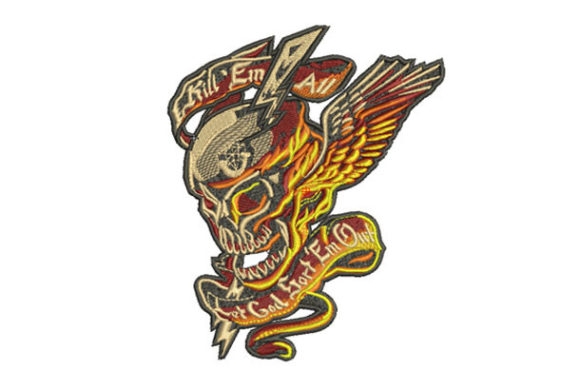
Skeleton Embroidery Design Review
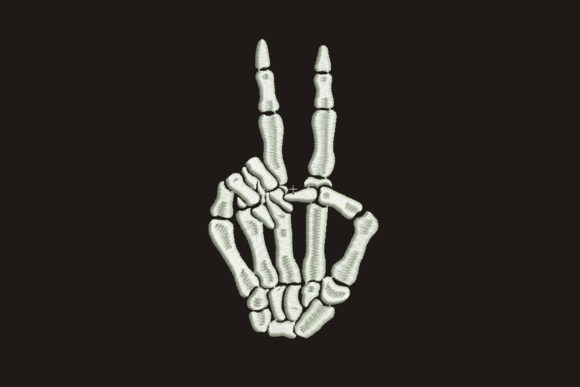
When I pull a new digital embroidery file into my hoop, I am not just looking at lines and shapes; I am visualizing the finished product on a customer’s chest or bag. As a designer who reviews these assets for both personal projects and commercial viability, I approach the Skeleton machine embroidery design with a critical eye. This Halloween-themed piece promises to add a bit of spookiness to your wardrobe or workshop, but does it hold up under the scrutiny of real-world stitching? After analyzing its structure, potential applications, and overall aesthetic, here is my practical breakdown of how this design performs in the studio.
First Impressions and Visual Personality
The immediate appeal of the Skeleton design lies in its thematic clarity. It captures the essence of holiday embroidery without relying on overly complex narratives that can get lost in smaller stitch areas. The visual personality is bold yet playful, making it an excellent candidate for items where you want a clear focal point. Whether you are creating a custom apparel item or a simple decorative accent, the layout suggests a balance between graphic impact and stitchability.
From a design perspective, the shape feels cohesive. It avoids the common pitfall of being too sparse, which often results in a "cheap" look when stitched out, or too dense, which can cause fabric puckering. The mood it creates is festive and slightly edgy, fitting perfectly into the current trend of seasonal handmade products. For Etsy sellers and craft fair vendors, this kind of recognizable, thematic imagery is crucial for grabbing attention quickly. It signals immediately what the product is about, reducing the cognitive load for the buyer.
Real-World Application Scenarios
Let’s move beyond the screen and talk about how this embroidery project translates to physical goods. I recently considered using this design for a batch of custom tote bags intended as holiday gifts. The contrast of white or light-colored thread against a dark canvas bag would make the skeleton motif pop significantly. However, placement is key. Centered on the front of a tote, it serves as a statement piece. On the side pocket, it acts as a subtle nod to the season.
I also envision this working exceptionally well for sweatshirt embroidery. The heavier fabric provides a stable base for the stitches, allowing the design to maintain its integrity without distorting. Imagine a crewneck sweatshirt with the skeleton centered over the heart—a classic, cozy, and stylish look that appeals to a wide demographic. For baby embroidery, such as onesies or burp cloths, the design offers a softer alternative to traditional Halloween motifs like pumpkins, appealing to parents who want something unique for their little ones’ first spooky season.
Furthermore, this design has strong potential for embroidered patches. If you plan to sell these as accessories for denim jackets or backpacks, the clean lines of the skeleton translate well to patch formats. It fits the aesthetic of modern streetwear and boutique branding, where small, detailed graphics are preferred over large, overwhelming prints. For digital product sellers, high-quality mockups featuring this design on various garments can drive significant engagement, as buyers can easily visualize the final result.
Where to Use It Carefully
While versatile, no single design is perfect for every surface. There are specific scenarios where the Skeleton design requires caution. First, avoid using this on highly textured fabrics like bouclé or heavy tweed unless you have tested it extensively. The background texture can interfere with the stitch definition, causing the details to blur. Similarly, thin or stretchy fabrics pose a risk of distortion. Without proper stabilization, the tension from the stitches may pucker the material, ruining the professional finish.
Curved surfaces, such as caps or hats, present another challenge. While possible, the curvature can distort the symmetry of the skeleton if the design is not adjusted for the curve. Small hoop sizes are also a limiting factor. If the design includes intricate details or fine lines, shrinking it down too much can result in a muddy appearance where individual stitches merge together. Additionally, be mindful of dense stitch areas. If the design relies heavily on fill stitch in a small area, it may become stiff and uncomfortable to wear, particularly on children’s clothing or delicate scarves.
Stitch Quality and Material Considerations
For the best results, understanding the stitch composition is vital. A well-executed machine embroidery design typically utilizes a combination of satin stitch for outlines and fill stitch for body areas. When reviewing the Skeleton file, I look for efficient pathing that minimizes thread breaks and trimming time. High-quality thread colors are essential; stark white thread on black fabric creates a dramatic, high-contrast look, while pastel threads on light fabric offer a softer, more whimsical vibe.
Using the correct stabilizer is non-negotiable. For woven fabrics like cotton or linen, a cut-away stabilizer ensures longevity, especially for items that will undergo frequent washing. For knit fabrics, a tear-away might suffice for temporary projects, but a wash-away or soluble stabilizer is better for maintaining flexibility. Always test the design on scrap fabric before committing to your final product. This step allows you to check thread color contrast, inspect small details for clarity, and ensure the hoop size accommodates the entire design without clipping important elements.
Professional Tips for Designers
- Test Before You Sell: Always stitch out a sample on the actual fabric you intend to use. Fabric texture and weight can drastically alter the final appearance.
- Check Licensing: Confirm whether the digital embroidery file allows for commercial use. Many designs are restricted to personal use only, and selling finished products without proper rights can lead to legal issues.
- Mockup Wisely: Create printable mockups to preview how the design looks on different garments. Compare light and dark backgrounds to choose the most visually appealing combination.
- Inspect Details: Zoom in on the digital file to check for tiny lettering or intricate corners. These areas are prone to losing detail during the stitching process.
Final Verdict on Value and Appeal
The Skeleton design offers solid value for designers looking to expand their seasonal offerings. It strikes a balance between simplicity and character, making it accessible for hobbyists while still looking professional enough for boutique retail. Its versatility across various product types—from tote bag design concepts to holiday embroidery gifts—makes it a flexible asset in any library.
For small business owners, this design can enhance brand consistency by providing a reliable, themed element for seasonal collections. It encourages creativity in pairing, such as combining it with floral accents or geometric borders to create unique handmade product lines. Ultimately, the success of this design depends on execution. By paying attention to fabric choice, stabilizer selection, and stitch density, you can transform a simple digital file into a cherished finished product that customers love. If you are preparing for the upcoming season, adding this to your rotation is a smart, practical move for any serious embroiderer.