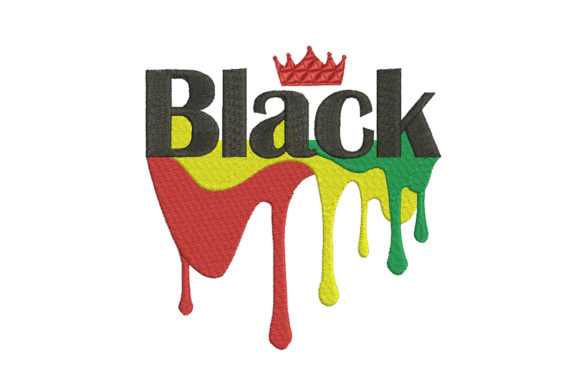
Black and Drip Embroidery Design Review
If you have ever stood behind a craft fair table, staring at your own inventory wondering why a specific item isn't moving while the neighbor’s booth is swarming with customers, you know that visual impact is everything. As an embroidery designer who has spent years turning digital files into physical products for handmade markets, I look at every new design asset through a very practical lens: Will this sell? Does it photograph well? And can I produce it efficiently without ruining my fabric?
This week, I pulled up a file titled Black and Drip. At first glance, the name suggests something edgy, modern, perhaps a bit rebellious or urban. It immediately conjures images of streetwear aesthetics rather than traditional farmhouse charm. For sellers looking to diversify their booth offerings beyond the typical floral motifs, understanding how a design like Black and Drip performs on various substrates is crucial. This review breaks down exactly where this machine embroidery design fits in the current market landscape.
First Impressions and Visual Appeal
The title Black and Drip implies high contrast and dynamic movement. In the world of embroidery, "drip" often refers to liquid-like effects or bold, flowing lines that mimic paint running down a surface. When I imagine this design translated into thread, I picture a sleek, monochromatic palette—likely heavy use of black threads against lighter backgrounds, or perhaps a reverse application on dark fabrics using white or metallic threads.
For the modern Etsy seller or boutique maker, this aesthetic hits a sweet spot. It bridges the gap between minimalist decor and statement streetwear. It feels premium because it relies on strong graphic shapes rather than intricate, tiny details that might get lost in production. The vibe is cool, contemporary, and undeniably eye-catching. It does not feel rustic or soft; instead, it projects confidence. This makes it an excellent candidate for brands targeting a younger demographic or those looking to add an edge to their standard product line.
Product Applications for Craft Fairs
So, where does Black and Drip shine brightest when displayed on a craft show table? Let’s evaluate its performance across key handmade products.
Hoodies and Jackets
Streetwear is huge right now. A hoodie featuring the Black and Drip design would likely be a top seller if executed correctly. The boldness of the design complements the casual nature of hoodies. However, keep in mind that thick fleece can sometimes distort fine details. Ensure your stabilizer choice is robust enough to support the weight of the stitches without causing puckering. This is a high-value item that commands a higher price point, making the perceived quality of the embroidery critical.
Tote Bags and Market Bags
You cannot run a successful handmade business without tote bags. They are the walking billboards of the craft fair circuit. A tote bag design utilizing Black and Drip offers a stark, stylish contrast, especially on canvas or natural cotton bags. The design acts as a focal point, drawing the eye immediately. Because tote bags are often used as promotional tools by the buyer, a striking design like this increases brand visibility. It transforms a simple utility item into a fashion accessory.
Aprons and Tea Towels
While apron embroidery and tea towel embroidery are traditionally associated with cute animals or floral wreaths, there is a growing market for modern kitchenware. If Black and Drip features clean lines and abstract forms, it could work beautifully on a crisp white apron or a neutral linen tea towel. It appeals to the home cook who wants their kitchen to reflect a contemporary aesthetic. Just be cautious with texture; highly textured towels can obscure stitch definition, so test on smooth cotton blends first.
Caps and Patches
An embroidered patch version of this design could be sold separately for people to customize their own denim jackets or backpacks. Caps are another viable option, but curved surfaces present a challenge. If the design includes small lettering or intricate drip effects, it may lose clarity when stitched onto the curved front panel of a cap. Simplified versions of the design might work better here, focusing on the main graphic element.
Production Practicality and Quality Control
As a designer, my job doesn’t end when the file is created. It continues in the hoop. Here are the critical technical considerations for producing Black and Drip.
- Stitch Density: Designs with "drip" effects often involve fill stitches or long runs. You must check the stitch density to ensure the fabric doesn’t pucker or become stiff. If the density is too high for lightweight fabrics like t-shirts, the garment will feel uncomfortable and look unprofessional.
- Thread Contrast: Since the name emphasizes "Black," you need to decide on your background. Black thread on black fabric is invisible unless you use specialty threads like metallic, glow-in-the-dark, or textured variegated threads. On white or light gray fabric, black thread provides maximum pop. Always compare thread colors against your actual fabric stock before committing to bulk production.
- Hooping and Stabilizer: Confirm the hoop size required by the file. Large designs require large hoops, which limits where you can place them on garments like hoodies (avoiding zippers and pockets). Use the appropriate stabilizer for each fabric type; tear-away for wovens, cut-away for knits to prevent stretching over time.
- Small Details: Be wary of tiny details. If the "drip" elements include thin lines or small text, they may merge together during stitching, creating a muddy blob rather than a sharp image. If selling as a small shop product, clarity is king. If the details are too fine, consider simplifying the design for smaller applications like patches.
Selling Strategy and Marketing
How do you sell Black and Drip? The answer lies in presentation. Because this design is visually striking, it photographs exceptionally well. High-contrast images perform best on platforms like Etsy or Instagram. Show the product in lifestyle settings—a hoodie worn in an urban environment, a tote bag held against a concrete wall, or an apron in a modern kitchen.
Create a printable mockup to visualize how the design looks on different items before you commit to cutting fabric. This helps you identify which products offer the best return on investment. For instance, if the design looks cluttered on a tea towel but stunning on a jacket, prioritize your inventory accordingly.
Furthermore, emphasize the versatility of the digital embroidery file. Many buyers appreciate knowing that the design comes in multiple formats, allowing them to use it on various machines. Highlighting this feature can attract other crafters who want to create their own merchandise, expanding your customer base beyond just end-users.
Final Verdict
Black and Drip is more than just a pretty picture; it is a strategic addition to any embroidery designer’s portfolio. It taps into the demand for modern, bold aesthetics that stand out in a sea of traditional craft fair goods. Whether you are producing commercial embroidery pieces for local boutiques or creating unique gifts for friends and family, this design offers a premium look with broad appeal.
Remember to test rigorously. Check your design assets, inspect your finished product under bright lights, and ensure every stitch counts. By paying attention to these details, you transform a simple digital file into a tangible, desirable commodity that drives sales and builds your brand reputation. If you are ready to shake up your booth display with something fresh and impactful, Black and Drip is definitely worth a test run.