Stipple Pattern Embroidery Review
As an embroidery designer who spends weekends hunched over a booth table at craft fairs, I know that first impressions are everything. Customers walk past dozens of tables filled with similar handmade goods. What makes them stop? It is often the texture, the detail, and the immediate sense of quality. Today, I am reviewing the Stipple Pattern, a design that promises versatility for pocket reading pillows and quilt blocks. But does it hold up as a viable craft fair product? Does it translate well to the fast-paced environment of a handmade market?
I have spent time evaluating this machine embroidery design not just as a digital file, but as a potential revenue stream for small business owners, Etsy sellers, and boutique makers. Here is my honest breakdown of how Stipple Pattern performs in the real world.
First Impressions: Visual Appeal and Market Fit
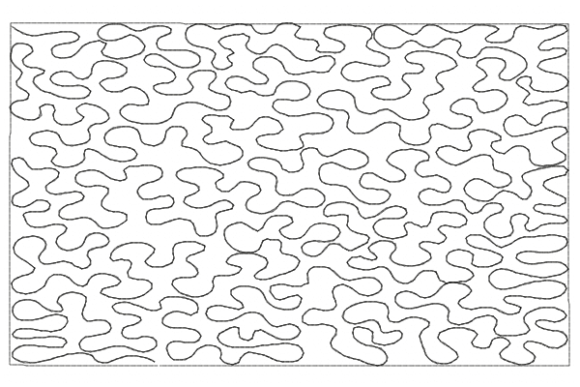
The title "Stipple Pattern" suggests a style that is organic, textured, and modern. In the context of current trends, stippling feels less rigid than geometric lines and more sophisticated than simple solid fills. It offers a hand-drawn aesthetic that mimics ink or charcoal, which resonates strongly with buyers looking for farmhouse, rustic, or elegant vibes.
When you look at the design assets, the pattern likely relies on varying dot sizes or spacing to create depth. This gives it a premium feel without requiring complex color changes. For a small shop product, this is a massive advantage. It looks expensive but produces efficiently. Whether you are aiming for a soft, minimal look or a bold, decorative accent, the stipple technique allows for significant mood shifting through thread choice alone.
Product Versatility: Where Stipple Pattern Shines
The description mentions its use in a pocket reading pillow or a quilt block. While those are excellent applications, I believe the true selling power of this embroidery file lies in its adaptability across various handmade products. Let us look at where it stands out on the trade show floor.
- Tote Bags: A tote bag design featuring a large stipple motif can serve as a stunning background texture behind a simple word or logo. Alternatively, used as a standalone focal point, it adds weight and visual interest to plain canvas bags. It photographs beautifully for online listings because the texture catches the light.
- Aprons and Tea Towels: For apron embroidery or tea towel embroidery, stippling works exceptionally well in border areas or as a full-fill background. On textured fabrics like flour sack towels, the dots settle into the weave, creating a cohesive, professional finish that hides minor stitching imperfections better than straight satin stitches.
- Patches and Caps: When digitizing for an embroidered patch or curved cap surfaces, ensure the stipple density is appropriate. A dense stipple area can look muddy if the hoop size is too small. However, on larger patches, it provides a luxurious, velvety texture that customers love to touch.
- Home Decor: Returning to the original suggestion, a pocket reading pillow benefits greatly from this pattern. The pockets themselves can be outlined with stippling, or the entire front panel can feature the pattern, creating a tactile experience that encourages engagement at your booth.
Production Practicality for Batch Selling
For any commercial embroidery business, efficiency is key. You need designs that are repeatable and reliable. Stipple Pattern appears to be a strong candidate for batch production. Because it typically uses a single stitch type (satellite or fill), you can run multiple items in succession with minimal hooping adjustments, provided the hoop size accommodates the design bounds.
This design also excels in digital embroidery file sales. Since it is a pattern rather than a complex narrative scene, it appeals to a broad audience. It is easy to understand at a glance, making it a safe bet for Etsy sellers targeting beginners who might be intimidated by multi-color portrait files. It allows users to experiment with thread colors confidently, knowing the structure will remain clean.
Photography and Online Listings
In the age of the printable mockup, visual clarity is paramount. Stipple patterns photograph exceptionally well. The variation in dot placement creates natural shadows and highlights, giving flat images a 3D appearance. When you create listing photos for your finished product, close-ups of the stipple texture will convey quality instantly. It signals to the buyer that this is not mass-produced plastic, but a carefully crafted item.
Careful-Use Notes and Technical Considerations
While the design has high potential, an experienced eye must watch for specific pitfalls. Not every application is created equal.
- Dense Stitch Areas: If the stipple pattern is very tight, it can make fabric stiff. Test on scrap fabric to ensure the stitch density does not overwhelm lightweight materials like muslin or thin cotton.
- Tiny Details: Be cautious when scaling down. Tiny stipple dots can merge together on small items like fabric pouches or small caps, losing their definition and turning into a blurry blob. Always check the minimum viable size before committing to production.
- Fabric Texture and Color: On highly textured fabrics, such as heavy denim or waffle-weave towels, the machine may struggle to maintain consistent tension. Furthermore, on dark fabric, ensure you have enough thread coverage. A sparse stipple pattern on black fabric might show the base material through, reducing the impact. Use the right stabilizer—cut-away for knits or stretchy fabrics—to prevent puckering.
- Curved Surfaces: Embroidering on caps requires careful stabilization. A stipple pattern covers a lot of surface area; if the cap crown is too curved, the edges of the design may distort. Use a cap frame and ensure the design is centered precisely.
Designer’s Checklist for Success
Before you rush to produce inventory for your next weekend craft fair, follow these practical steps to ensure your Stipple Pattern projects are successful.
- Test on Scrap Fabric: Never skip this step. Run the design on the exact fabric you plan to sell. Check how the threads interact with the material.
- Check Thread Contrast: Experiment with different thread colors. A metallic thread in a stipple pattern can look stunning against denim, while a matte cotton thread might suit a linen apron better.
- Review Spacing and Density: Inspect the digitization closely. Are there gaps where the fabric shows through unintentionally? Is the underlay sufficient to keep the top layer stable?
- Create Real Mockups: Do not rely solely on digital renders. Make one physical sample. Hang it on your booth display. See how it looks under fluorescent market lights versus natural sunlight.
- Confirm Commercial Licensing: This is critical. Ensure you have the rights to sell finished products made with this embroidery design. Most reputable designers allow this, but you must verify the terms to protect your business.
Final Verdict
The Stipple Pattern is a versatile, high-value addition to any embroiderer’s library. It bridges the gap between modern minimalism and traditional craftsmanship. It is practical for production, visually striking for marketing, and adaptable to a wide range of handmade gift items.
For creative entrepreneurs looking to expand their catalog, this design offers a low-risk, high-reward opportunity. It works well as a subtle accent or a bold statement piece. By paying attention to fabric choice, stabilizer selection, and proper testing, you can turn this simple pattern into a best-selling craft fair product that draws crowds and builds brand consistency. Whether you are adding it to your sewing projects or using it as a standalone embroidery art piece, Stipple Pattern delivers on its promise of elegance and utility.