Red Rose for Border Review
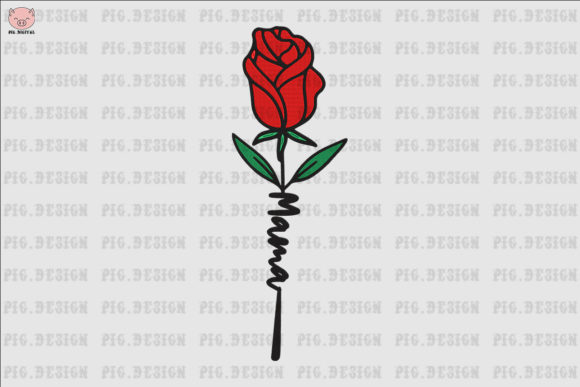
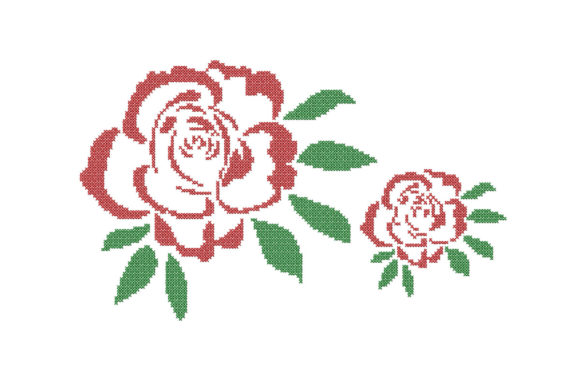
As an experienced embroidery designer who has spent years turning digital files into tangible brand assets, I approach every new machine embroidery design with a critical eye. When evaluating a file like Red Rose for Border, we are not just looking at a pretty flower; we are assessing its viability for commercial application. This piece is described as a red rose with leaves creating a beautiful flower border, suitable for home decor and clothing, with a unique summer machine embroidery aesthetic that imitates cross-stitch. For small business owners, Etsy sellers, and apparel decorators, the question remains: does this design translate effectively from a screen to a stitched reality on branded merchandise?
The First Impression of Red Rose for Border
The initial visual personality of Red Rose for Border strikes me as elegant yet accessible. The description highlights a "cross-stitch imitation," which immediately suggests a textured, handmade feel rather than a slick, corporate vector look. In the world of brand identity, this distinction is vital. A design that mimics traditional handcrafting often resonates deeply with customers who value authenticity, making it an excellent choice for boutique brands, florists, bakeries, and creative studios.
The floral motif is classic, but the border configuration offers versatility. It feels friendly and professional simultaneously. Unlike stark geometric logos, a red rose adds warmth and organic flow. This makes it particularly suitable for businesses aiming to project a sense of care and attention to detail. However, the "border" aspect requires strategic placement. It is not merely a standalone icon; it is a framing element or a continuous accent that defines edges. This duality allows it to function as a primary logo accent or a subtle branding touch on various surfaces.
Real-World Application for Small Business Merch
When considering how Red Rose for Border performs in real business scenarios, the potential applications are extensive. Imagine a local café looking to upgrade their staff uniforms. Stitching this design along the hem of a white apron could create a sophisticated, custom look that elevates the entire outfit without being overwhelming. Similarly, for a handmade soap shop or a pet brand, using this design as a label on product packaging or as a decorative trim on a tote bag can significantly enhance perceived value.
For those producing embroidered patches, this design offers a strong candidate. The border nature allows it to be easily cropped into a circular or rectangular patch shape while maintaining its structural integrity. A leather patch featuring the red rose with leaves would add a premium touch to denim jackets or canvas backpacks. Furthermore, on caps, the design could serve as a curved accent along the brim or a side panel detail, offering a unique alternative to standard front-center logos.
In the realm of event merch and craft business assets, the cross-stitch style provides a nostalgic charm that appeals to a wide demographic. Whether used on t-shirts for a community garden opening or as a branded add-on for customer gifts, Red Rose for Border helps establish a cohesive visual language. It transforms generic items into custom apparel that tells a story about the brand's roots and craftsmanship.
Strategic Considerations and Limitations
While the design holds promise, a professional review must address where caution is required. The specific instruction to check the stitch density is paramount. Designs that imitate cross-stitch often rely on high stitch counts to achieve the texture. If the density is too high, the fabric may pucker, especially on lightweight materials like thin cotton tees or sheer linens. For cap embroidery, which involves curved surfaces, excessive density can cause the stitching to collapse or lose definition.
Small patch sizes present another challenge. While the red rose is a recognizable symbol, intricate details within the leaves and border lines may become muddy if scaled down too far. On a tiny chest logo or a miniature tag, the design might lose its impact. Additionally, dark uniforms require careful thread color selection. The red rose needs sufficient contrast against dark backgrounds; otherwise, the design risks blending in and losing its visual pop. Testing on the actual fabric texture intended for production is non-negotiable to ensure the final result meets quality standards.
Frequent washing is also a factor for items like work shirts and aprons. Loose stitches or overly detailed outlines may snag or fray over time. Ensuring the design includes adequate underlay and proper stabilization will mitigate these risks, but the inherent complexity of the pattern must be respected during the production phase.
Impact on Brand Identity and Customer Trust
High-quality embroidery directly influences customer trust and recognition. A sloppy stitch job can undermine a brand's message of quality, whereas a well-executed Red Rose for Border signals professionalism. When a customer sees a beautifully stitched rose on a tote bag or a uniform, it reinforces the idea that the business cares about the details. This visual consistency across different products—whether it is a tote bag design or a branded product label—builds a stronger emotional connection with the buyer.
The "handmade product" aesthetic provided by the cross-stitch imitation fosters a sense of intimacy and uniqueness. In a market saturated with mass-produced goods, this design asset helps a small business stand out. It suggests that the brand values tradition and artistry, which can justify higher price points and increase buyer engagement. By integrating this design thoughtfully, businesses can turn simple merchandise into memorable brand experiences.
Practical Designer Notes for Production
Before committing to a large run of commercial embroidery, I strongly advise following a rigorous testing protocol. First, test the design in black and white on your digitizing software to evaluate the spacing and balance of the elements without the distraction of color. This helps confirm if the border flows logically and if the rose sits correctly within the frame.
Next, verify the hoop size requirements. Ensure the design fits within the hoops available for your target garments, such as the limited space on a cap front or the flat surface of a tote bag. Check the thread colors to ensure the red rose pops against your chosen fabric. Use a printable mockup to visualize the design on the actual product before spending money on physical samples. This step is crucial for client approval and avoiding costly mistakes.
Do not overlook the importance of stabilizers. For a design with high detail, the right backing is essential to prevent distortion. Always inspect the finished product for any loose threads or puckering. Finally, confirm the commercial licensing terms associated with the digital embroidery file. Ensure you have the legal right to use Red Rose for Border on merchandise you intend to sell. If the file format or specific stitch count is not explicitly listed in the product description, reach out to the provider to clarify these technical details before production begins.
By treating Red Rose for Border as a strategic brand tool rather than just a decoration, small business owners can leverage its unique aesthetic to create high-value, professional merchandise that truly represents their vision.