Moon Fairy: A Designer's Review for Personalized Gifts
As an experienced embroidery designer who spends countless hours testing new files before putting them on my own shop shelves, I recently received the Moon Fairy design for a deep-dive review. My goal was simple: determine if this piece could stand up to the rigorous demands of a busy personalized gift shop. I needed to know if it would translate well from a digital screen into a tangible, cherished heirloom that customers would love to receive. After running several test stitches and visualizing its application on various products, I can confidently say that Moon Fairy is a versatile addition to any collection.
First Impressions: Charm and Elegance Combined
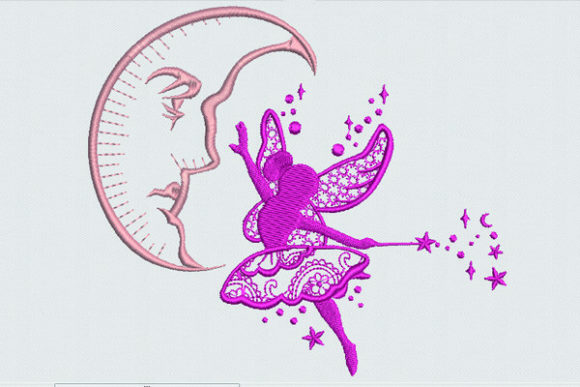
The moment I opened the file, the mood of the design struck me immediately. It possesses a unique blend of sweetness and sophistication that feels both playful and romantic. In the world of Fairy Tales, there are many designs that lean too heavily into the childish or the overly complex. Moon Fairy avoids these pitfalls perfectly. It feels elegant and gorgeous, just as the description promises, but with a whimsical touch that invites the eye to linger.
For a designer looking to create meaningful gifts, this emotional appeal is crucial. The charm of the fairy figure suggests a sense of wonder and magic, making it an ideal centerpiece for items meant to be treasured. Whether stitched onto a soft nursery blanket or a crisp kitchen towel, the design maintains a high level of detail without feeling cluttered. It strikes a balance that appeals to modern parents who want something classic yet distinctively handmade. When I first laid out the thread colors in my mind, I imagined how the delicate lines would catch the light, adding a subtle sparkle to the finished product.
From Digital File to Heirloom: Practical Applications
In my planning phase, I visualized Moon Fairy across a wide spectrum of products. This versatility is exactly what small business owners and Etsy sellers need to maximize their inventory. Let us look at how this design performs in real-world scenarios.
- Baby Embroidery: The soft, gentle nature of the Moon Fairy makes it perfect for baby blankets and nursery decor. Parents often seek items that feel protective and magical for their little ones. Stitching this design onto a receiving blanket creates an instant keepsake that speaks to the dreamy early days of life.
- Wedding Keepsakes: For wedding gifts, the elegance of the fairy adds a touch of fantasy to practical items like aprons or custom tote bags. Imagine a bridal shower gift where the bride receives a linen apron embroidered with this whimsical character. It transforms a standard kitchen tool into a storybook element.
- Home Decor: Pillow covers and embroidered towels are natural homes for this design. The clean lines work beautifully on flat surfaces, allowing the details to shine without distortion. For craft fair products, these items often sell best when they have a clear narrative, and Moon Fairy provides that narrative instantly.
- Digital Product Sellers: If you are selling printable mockups or digital files, this design offers excellent potential. It serves as a great example of what a customer can expect when ordering a custom embroidery service.
Who Is the Ideal Customer?
The type of buyer attracted to a Moon Fairy project is likely someone who values sentimentality. They are often gift-givers looking for something personal rather than mass-produced. A customer purchasing a pillow cover with this design wants to convey warmth and care. For an Etsy seller, this translates to higher perceived value; buyers are willing to pay more for a design that feels handcrafted and emotionally resonant. The design fosters trust because it looks professional and polished, reassuring the buyer that the handmade quality matches the price point.
Where Caution Is Required: Fabric and Technique
While Moon Fairy is robust, no machine embroidery design is without its limitations. As a designer reviewing this for commercial use, I must highlight specific areas where caution is necessary to ensure customer satisfaction. Understanding these constraints helps prevent returns and protects your reputation.
First, consider the fabric texture. Thick towels or heavily textured fabrics can obscure the finer details of the fairy. If the fabric is too bulky, the stitching may not lay flat, causing the design to lose its definition. Similarly, stretchy baby clothes require careful handling. While the design is fun and easy to stitch, applying it to highly elastic materials without proper stabilization can lead to puckering once the garment is washed.
Dark fabrics present another challenge. Unless you use high-contrast thread colors, the delicate lines of the fairy might get lost against a black or navy background. It is essential to compare light and dark fabric mockups before finalizing a product line. Additionally, curved surfaces like rounded tote handles or fitted hat crowns can distort the geometry of the design. For such applications, the hoop size and placement become critical variables that must be tested meticulously.
Finally, do not overlook the issue of frequent washing. Items like kitchen towels or aprons undergo significant wear and tear. While the design is durable, ensuring the stitch density is appropriate for heavy-use items will extend the life of the product. If the design is too sparse, it may unravel; if too dense, the fabric may pucker. Always verify the stability of the stitches on a sample that has been laundered multiple times.
Practical Notes for the Embroidery Maker
Before you begin production or list your custom orders, there are several technical steps every designer should follow to guarantee success. These practices protect your time and your client's investment.
- Test on Scrap Fabric: Never run a full production order without a preliminary test. Use scrap fabric that matches the weight and texture of your final product to check how the threads interact with the material.
- Check Thread Color Contrast: Ensure the chosen thread colors pop against the background. A good rule of thumb is to have a visible contrast between the design and the fabric to maintain clarity.
- Confirm Hoop Size: Verify that the design fits within your available hoop sizes. If the design is large, you may need to split it or adjust the layout to avoid cutting off details.
- Review Stitch Density: Examine the density settings in your software. High-density areas can cause fabric bunching, while low-density areas might look thin and unfinished.
- Use Proper Stabilizer: The choice of stabilizer is vital. For lightweight fabrics, a cut-away stabilizer often provides better long-term support than a tear-away, especially for items that will be washed frequently.
- Inspect Small Details: Zoom in on the digital preview to check small details after stitching. Tiny elements like wings or facial features can sometimes disappear if the tension is off.
- Verify Commercial Licensing: Before selling finished products featuring Moon Fairy, confirm the commercial licensing terms. Ensure you have the right to sell items made with this digital embroidery file.
Final Thoughts on Giftability and Quality
In conclusion, the Moon Fairy design stands out as a strong candidate for anyone looking to elevate their personalized gift offerings. Its ability to evoke emotion while maintaining a clean, professional aesthetic makes it a favorite among designers who prioritize quality. Whether you are creating a baby product, a wedding gift, or a custom home decor item, this design adds a layer of magic that customers appreciate.
By following practical testing protocols and being mindful of fabric limitations, you can ensure that every finished product reflects the highest standards of craftsmanship. For the Etsy seller or small shop owner, this means building a brand known for reliability and beauty. The Moon Fairy is not just a pattern; it is a promise of a thoughtful, handmade experience that lasts long after the gift is unwrapped. As you move forward with your projects, remember that the secret to success lies in the details—both in the design itself and in the care you take during the stitching process.