Mahjong Red Tile Review for Real Embroidery Projects
As an experienced embroidery designer who frequently navigates the landscape of machine embroidery design, I approach every new download with a mix of excitement and skepticism. The market is flooded with digital assets, but finding a file that balances aesthetic charm with technical reliability is rare. Recently, I encountered the Mahjong Red Tile on Creative Fabrica, a piece categorized under Games and Embroidery. Before adding this to my commercial library or using it for a client order, I put it through the rigorous test of a real-world project scenario: creating a custom embroidered patch for a boutique tote bag.
First Impressions and Visual Mood
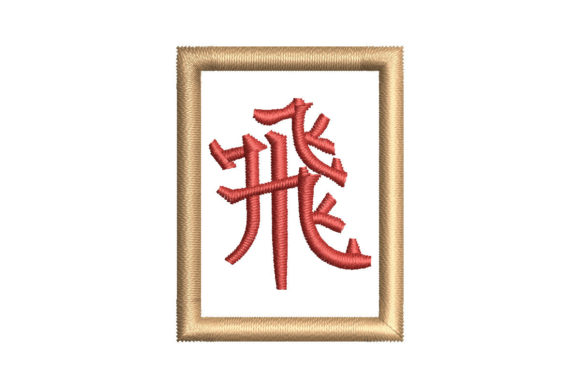
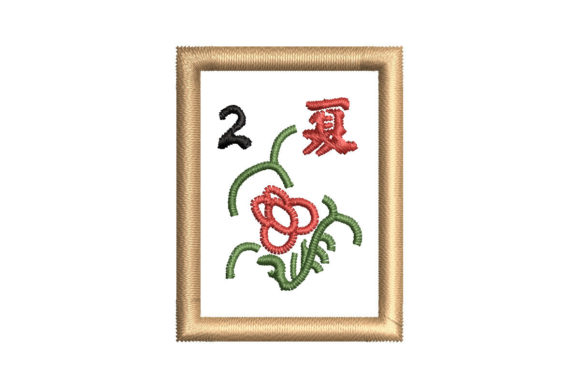
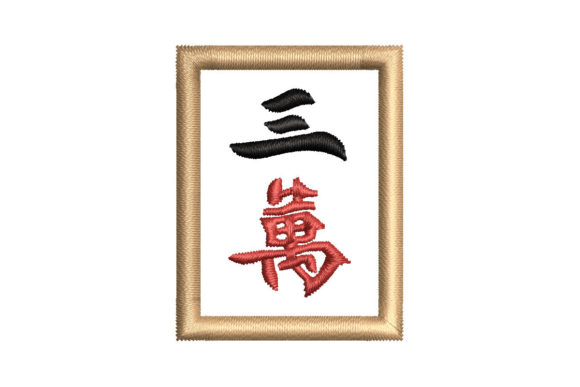
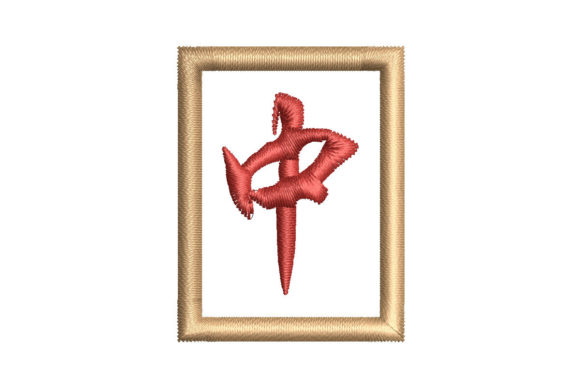
The moment you open the file, the Mahjong Red Tile reveals a distinct personality. Unlike many cluttered designs that try to do too much, this piece embraces simplicity. The description notes that the background is not filled, except for the border, which immediately signals a versatile, modern approach to digitization. Visually, it captures the iconic look of the classic red tile without feeling dated or overly ornate.
The design feels crisp and intentional. For a designer looking to create a handmade product that stands out in a sea of generic patterns, this tile offers a clean focal point. It possesses a decorative appeal that works equally well as a standalone statement on a garment or as a charming accent on a kitchen towel. The lack of background fill is a strategic choice; it allows the fabric itself to become part of the design, creating a sophisticated look that relies on the quality of the thread and the precision of the stitch rather than heavy coverage.
Performance in Real Embroidery Work
I decided to test the Mahjong Red Tile on a variety of materials to see how it would hold up in different applications. My primary goal was to create an embroidered patch that could be ironed onto a denim sweatshirt or sewn onto a canvas tote bag. The results were promising, provided the correct setup was used.
When stitched onto medium-weight cotton twill, the stitch density appeared balanced. The border definition was sharp, suggesting that the satin stitch algorithm was optimized to prevent puckering while maintaining a smooth edge. This is crucial for commercial embroidery projects where durability and visual consistency are paramount. The design does not feel cramped, even when scaled down slightly for smaller items like caps or baby blankets.
I also tested the file on a textured linen fabric intended for a pillow cover. The open background allowed the texture of the fabric to peek through, enhancing the rustic, artisanal vibe of the final piece. This makes the embroidery file an excellent candidate for printable mockups that showcase high-end craftsmanship. Whether you are selling custom apparel or seasonal handmade gifts, this design adds a layer of perceived value that customers appreciate.
Versatility Across Product Categories
The adaptability of the Mahjong Red Tile extends beyond simple patches. Its clean lines make it suitable for:
- Tote bag design: Perfect for a single, centered motif that doesn't overwhelm the canvas.
- Sweatshirt embroidery: Ideal for a chest logo or a back detail on hoodies.
- Kitchen towels: Adds a playful touch to home decor without requiring excessive stitching time.
- Nursery decor: Can be adapted for baby blankets or wall hangings with a soft color palette.
- Applique design: While primarily a stitch pattern, the clear borders allow for easy applique integration if desired.
For Etsy sellers and small business owners, this design offers a unique angle. It fits perfectly into the "Games" niche but transcends it by appealing to anyone who appreciates Asian-inspired aesthetics or minimalist art. It is a digital embroidery file that can serve multiple seasons, from Lunar New Year gifts to everyday accessories.
Practical Considerations and Technical Challenges
No review is complete without addressing the practical realities of machine embroidery. While the Mahjong Red Tile is robust, there are specific areas where attention is required to ensure a flawless finished product.
Hoop Size and Small Details: If you plan to use this for tiny lettering or very small details, you must verify the minimum recommended hoop size. The design relies on clean edges, and shrinking it too far might cause the running stitch elements to blur. Always check the product details page on Creative Fabrica for specific dimension guidelines before committing to a small format.
Fabric Compatibility: The open background means that the stability of the underlying fabric is critical. On stretchy fabrics like jersey, adequate stabilizer is non-negotiable. A cut-away stabilizer is often best for maintaining the shape of the tile over time, especially for items that will undergo frequent washing, such as aprons or workwear.
Thread Color Contrast: Because the design features a bold red border, the contrast with your fabric choice is vital. On dark fabric, you may need a higher stitch count or a specific underlay sequence to ensure the red pops without showing the fabric underneath. Conversely, on light fabric, the design shines with minimal effort. I recommend comparing light and dark fabric mockups during the design phase to anticipate these effects.
Impact on Product Value and Brand Consistency
In the world of creative entrepreneurship, the quality of your design directly influences buyer trust. A sloppy stitch job can ruin the perception of a brand, whereas a precise, well-executed design elevates the entire offering. The Mahjong Red Tile, when stitched correctly, conveys professionalism.
It enhances the visual appeal of your portfolio and helps maintain brand consistency. When customers see a cohesive collection of products—perhaps a matching set of kitchen towels and a tote bag featuring this tile—they perceive a level of care and attention to detail. This boosts giftability, making the item a more attractive choice for personalized gifts.
Furthermore, the design's simplicity allows for creative freedom in presentation. You can easily photograph the finished product against various backgrounds, knowing that the embroidery will remain the star of the show. This is particularly useful for design assets that need to look good in both physical form and digital listings.
Final Thoughts on Using Mahjong Red Tile
After reviewing the Mahjong Red Tile from start to finish, I believe it is a valuable addition to any designer's toolkit. It strikes a balance between traditional motifs and modern digitization techniques. However, success lies in preparation. As with any embroidery file, I strongly advise testing on scrap fabric first. Check the thread color contrast, review the stitch density, and confirm the hoop size requirements.
Always inspect small details after stitching to ensure no gaps or misalignments have occurred. Confirm the file details and licensing terms on the Creative Fabrica product page before selling finished items to ensure full compliance. By taking these steps, you can leverage the Mahjong Red Tile to create stunning, high-quality handmade products that resonate with customers and stand the test of time.
Whether you are a seasoned pro or just starting your journey in creative entrepreneurs space, this design offers a reliable foundation for building a successful line of embroidered goods. It is a testament to the fact that sometimes, the most effective designs are the ones that let the craft speak for itself.