Jesus Fish Applique: A Designer's Review for Gift Creators
As an experienced embroidery designer who spends hours testing new files before adding them to my own shop, I recently had the opportunity to put the Jesus Fish Applique design through its paces. My goal was simple: determine if this piece holds the emotional weight and technical quality required for a high-end personalized gift line. After running several test stitches on different fabrics, I can confidently say that this machine embroidery design is a standout choice for anyone looking to create meaningful keepsakes.
The First Impression: Charm and Spiritual Warmth
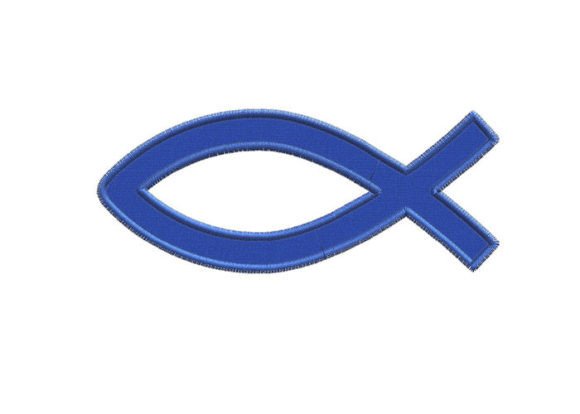
When you first open an embroidery file, the visual preview tells you a lot about the final product. The Jesus Fish Applique immediately strikes me as both classic and inviting. It captures a sense of gentle faith without feeling overly heavy or traditional in a stiff way. The mood is undeniably sweet and elegant, making it perfect for nursery decor or wedding gifts where a touch of sentimentality is desired.
What stands out most is the detail level. Unlike some appliqué designs that can look blocky or flat, this one has a flow that suggests movement. For an Etsy seller or small business owner, this translates directly into higher perceived value. Customers scrolling through listings are drawn to items that look handcrafted with care. This design feels like a handmade product that carries a story, which is exactly what buyers want when they purchase a personalized gift.
Perfect Applications for Your Shop Inventory
I have been imagining how this embroidery file would perform across various product categories, and the possibilities are extensive. Here is how I see it fitting into real-world scenarios:
- Baby Embroidery Projects: Imagine a soft cotton muslin blanket embroidered with the Jesus Fish Applique near the corner. The appliqué technique adds a lovely texture that contrasts beautifully with the smooth fabric. It creates a stunning baptism gift that parents will cherish forever.
- Kitchen Towels and Aprons: For a family-oriented kitchen set, this design brings a warm, welcoming vibe. An embroidered towel featuring this motif could be a centerpiece for a housewarming party or a special gift for a godparent.
- Pillow Covers and Nursery Decor: Placing the design on a linen pillow cover offers a sophisticated look for a child's room. The appliqué element gives it depth, making it a focal point in baby embroidery collections.
- Tote Bags and Custom Accessories: A canvas tote bag customized with this design appeals to young families attending church or Sunday school. It serves as a functional item that also acts as a subtle statement of faith.
- Wedding Keepsakes: While often associated with children, this design works wonderfully for wedding gifts, particularly for couples who appreciate traditional values. It can be featured on guest books, welcome signs, or even a custom apron for the newlyweds' first home together.
Why This Design Boosts Customer Trust
In the world of digital products and handmade sellers, trust is everything. When a customer sees a listing for a custom item, they need to feel confident that the finished product will match their expectations. The Jesus Fish Applique design helps bridge that gap. Because appliqué inherently looks more complex and labor-intensive than standard fill stitching, customers perceive the item as having higher value.
This perception is crucial for Etsy sellers and those running their own e-commerce sites. A well-executed appliqué design suggests attention to detail and quality craftsmanship. When your product photography showcases the raised texture of the appliqué against the background fabric, it engages buyers emotionally. They aren't just buying a towel; they are buying a memory. This emotional connection drives engagement and encourages repeat business for your small shop product line.
Critical Considerations Before Production
While I am enthusiastic about the potential of this design, a professional approach requires us to acknowledge where caution is necessary. Not every fabric or surface is suitable for every project. As a designer reviewing this for commercial use, here are the areas where you must exercise care:
- Fabric Texture and Thickness: Thick towels or heavily textured fabrics can sometimes hide the fine details of an appliqué design. If the fabric is too bulky, the layers might not sit flat, causing the fish shape to look distorted. Always test on a scrap of the actual material you plan to sell.
- Stretchy Baby Clothes: While baby blankets are ideal, applying this to stretchy onesies or hats requires extra stabilization. Without the correct stabilizer, the appliqué edges may pucker after washing, ruining the finished product.
- Curved Surfaces: Attempting to stitch this on a curved surface, like a rounded mug or a tight cap, can be challenging. The design is best suited for flat surfaces like pillows, bags, and towels where the hoop can hold the fabric taut.
- Dark Fabric Challenges: Appliqué relies on contrast. On dark fabrics, you will need to ensure your backing and top threads provide enough visibility. If the thread colors do not pop against the background, the design loses its impact.
- Small Lettering and Delicate Details: If your specific version of the design includes text or very thin lines, verify the resolution. Very small details can get lost in the stitching process, especially if the stitch density is too high for the chosen fabric.
Practical Tips for Flawless Execution
To ensure your custom embroidery projects meet professional standards, I recommend following these practical steps before running a full production batch:
Test on Scrap Fabric: Never skip this step. Run a test stitch on a piece of the same fabric type you intend to use. Check the tension, the stability of the appliqué edges, and how the thread interacts with the material.
Check Thread Color Contrast: Choose thread colors that complement the fabric but still stand out. A good rule of thumb is to avoid blending the thread too closely with the background unless you are aiming for a very subtle, tonal look.
Confirm Hoop Size and Stabilizer: Ensure your hoop is large enough to accommodate the entire design without cutting off any elements. More importantly, select the right stabilizer. For blanket embroidery, a cut-away stabilizer is usually best to prevent shifting over time. For lighter fabrics, a tear-away might suffice, but always prioritize stability.
Review Stitch Density: Look at the digital preview to understand the stitch density. If the design is dense, it may require a denser stabilizer to support the weight of the threads. High-density areas can cause fabric puckering if not supported correctly.
Compare Light and Dark Mockups: Create printable mockups of your product using both light and dark versions of the design. This helps you visualize the final look and ensures the design remains effective regardless of the base color.
Commercial Licensing Verification: Before selling any commercial embroidery items made from this file, double-check the licensing terms. Some digital embroidery files allow personal use only, while others permit commercial sales. Knowing the rules protects your business and respects the original creator.
Final Thoughts on Creating Meaningful Gifts
The Jesus Fish Applique is more than just a pattern; it is a tool for creating connections. Whether you are designing for a baptism celebration, a wedding anniversary, or a new parent, this design offers a versatile foundation for heartfelt gifting. Its ability to blend seamlessly into various mediums—from pillow covers to tote bags—makes it a valuable asset for any crafter or small business owner.
By paying attention to fabric choices, stabilizers, and thread selection, you can transform this digital file into a tangible treasure. Remember, the success of a personalized gift lies not just in the design itself, but in the care taken during the execution. With the right preparation, the Jesus Fish Applique will undoubtedly become a beloved staple in your collection of handmade products.