Fox Cub Embroidery Review for Boutique Apparel
As an embroidery designer who spends hours evaluating digital files before they ever hit the hoop, I am always looking for designs that balance charm with commercial viability. When browsing Creative Fabrica embroidery collections, I recently came across a file titled Fox Cub. At first glance, it fits neatly into the popular Woodland Animals category, but my interest was piqued by its potential for high-end boutique apparel and cozy sweatshirt projects. This review explores how this specific embroidery design might perform in a real-world production environment, particularly for small clothing brands, Etsy sellers, and creative entrepreneurs looking to expand their seasonal collections.
First Impressions: Visual Personality and Mood
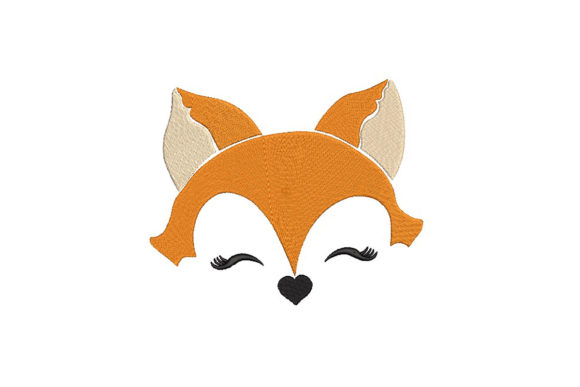
The moment you load the Fox Cub embroidery file, the visual personality stands out immediately. It is not overly complex or cluttered, which is often a red flag for mass-produced items. Instead, it strikes a mood that is playful yet refined. The design feels premium because of its clean lines and thoughtful negative space, allowing the thread colors to do the heavy lifting. For a boutique brand, this distinction is crucial; customers can visually sense the difference between a generic clip-art style and a design intended for textile art.
The aesthetic leans towards rustic and cute, making it ideal for autumn and winter collections. It has a timeless quality that avoids fleeting trends, ensuring that your handmade product will remain relevant longer. Whether you are aiming for a feminine touch on pastel hoodies or a bold statement on dark apparel, the Fox Cub adapts well. Its decorative strength lies in its simplicity—it draws the eye without overwhelming the garment’s silhouette. This makes it a versatile choice for creating custom apparel that feels both personal and professionally finished.
Application on Sweatshirts and Hoodies
Sweatshirt embroidery remains one of the most profitable niches in the handmade market, and the Fox Cub design is exceptionally suited for this medium. Imagine placing this adorable fox on the left chest of a neutral oatmeal-colored sweatshirt. The contrast would be subtle yet sophisticated, appealing to buyers who prefer understated luxury. Alternatively, using it as a larger back design on an oversized hoodie can create a striking focal point that enhances the garment’s relaxed vibe.
For hoodie design variations, consider sleeve accents. A smaller iteration of the Fox Cub on the cuff or upper arm adds a delightful detail that encourages closer inspection. This level of thoughtfulness boosts customer engagement and perceived value. Furthermore, pairing this design with pastel hoodies—think soft lavender, mint green, or baby blue—can tap into the popular "cozy aesthetic" seen frequently on social media platforms like Pinterest and Instagram. These combinations are highly shareable, providing free marketing through user-generated content and lifestyle product photos.
Performance on Diverse Garment Types
Beyond standard sweatshirts, the Fox Cub excels on other garments. On t-shirt embroidery projects, it offers a softer alternative to screen printing graphics, adding texture and depth. Denim jackets are another excellent canvas; the rugged texture of denim complements the rustic woodland theme perfectly. For tote bag design applications, the fox adds a whimsical touch to everyday carry items, making them attractive impulse buys at craft fairs or online shops.
When integrating this into a broader collection, consistency is key. Using the same Fox Cub motif across different products—such as matching hats, scarves, and bags—creates a cohesive brand identity. This visual consistency builds buyer trust and recognition, essential for any small shop product line aiming for long-term success.
Strategic Considerations and Careful Placement
While the design is charming, experienced designers know that placement and fabric choice dictate the final quality. There are areas where the Fox Cub requires careful handling. Small chest placement can sometimes look cramped if the design scale is not adjusted properly. Always ensure there is adequate breathing room around the edges of the embroidery to prevent stitching from distorting the fabric weave.
Dense stitch areas should be inspected closely. If the design features large solid fills, test it on scrap fabric first to check for puckering, especially on lightweight jersey knits used in basic t-shirts. Stretchy fabrics like fleece or ribbed cuffs require additional stabilizer support to maintain shape during wear. Dark garments present a unique challenge; while bold thread colors pop beautifully, ensure the underlay stitches are not visible through lighter outer threads. Curved surfaces, such as the shoulders of a raglan tee, may cause distortion if the hoop size does not accommodate the curve correctly.
Avoiding Common Pitfalls
- Small Lettering: Avoid combining tiny text with the Fox Cub unless the resolution is high enough to remain legible after washing.
- Stretchy Fabric: Always use cut-away stabilizer for stretchy materials to prevent the embroidery from warping over time.
- Fleece Texture: Be mindful of how the needle interacts with thick pile fabrics; a sharp needle and appropriate tension settings are vital.
- Wrinkling Areas: Do not place dense embroidery directly over seams or areas prone to frequent wrinkling, as this can lead to thread breakage.
Impact on Brand Value and Commercial Success
Integrating a well-crafted design like Fox Cub into your inventory does more than just add a product; it elevates your entire brand presence. Professional presentation starts with attention to detail. When customers see high-quality embroidery with precise stitch density and vibrant thread colors, they associate those qualities with the reliability of your business. This perception directly influences purchase decisions and reduces return rates due to dissatisfaction.
For Etsy sellers and digital sellers, the versatility of this design allows for multiple revenue streams. You can sell physical embroidered goods, offer printable mockups for other designers, or even license the commercial embroidery usage (subject to the specific license terms found on Creative Fabrica). By showcasing finished products in lifestyle photos, you help potential buyers visualize the item in their own lives, significantly boosting conversion rates.
Practical Designer Notes for Production
Before committing to a full production run, follow these practical steps to ensure excellence:
- Test on Scrap Fabric: Always embroider a test sample on the exact fabric type you plan to use for the final product.
- Check Stabilizer Choice: Match the stabilizer weight to the fabric weight; light fabrics need light stabilizers, and heavy fleece needs robust support.
- Review Thread Color Contrast: Ensure the chosen thread colors provide sufficient contrast against the garment color for maximum visibility.
- Confirm Hoop Size: Verify that the design dimensions fit comfortably within your machine’s hoop limits to avoid mid-stitch re-hooping.
- Inspect Stitch Density: Look for overly dense areas that might cause needle breakage or fabric damage.
- Compare Placement Options: Experiment with different placements on the garment to find the most aesthetically pleasing layout.
- Check Licensing: Review the Creative Fabrica product details and licensing agreement carefully before selling finished apparel to ensure compliance.
In conclusion, the Fox Cub embroidery design is a strong contender for any designer looking to add warmth and character to their apparel lineup. Its blend of rustic charm and professional execution makes it suitable for a wide range of projects, from cozy seasonal outfits to trendy streetwear. By paying attention to fabric selection, stabilizer use, and strategic placement, you can transform this simple woodland motif into a standout piece that resonates with customers and strengthens your brand identity.